When people hear the word agritourism, they often picture luxury accommodation developments or major visitor attractions.
But according to Agritourism NZ founder and chief executive Marijke Dunselman, many farmers already have what they need for an agritourism business sitting right under their noses.
It could simply be looking at what is already there through a different lens.
"Farms already have the land and often a lot of assets they can work with," Dunselman says.
That might include huts, shearers' quarters, farm cottages, scenery, stunning views, historic buildings or experiences.
Or, simply a chance for visitors to experience life on a real working farm.
"Visitors are increasingly looking for real, personal New Zealand experiences," Dunselman says.
"They want to see what real people do and what life on a farm is actually like."
Agritourism combines agriculture and tourism, to diversify farm income and give visitors a chance to experience rural New Zealand.

It's not just accommodation
While farm stays remain popular, agritourism can take many forms.
Some farmers offer guided farm tours, animal encounters, horse trekking, harvesting experiences or farm-to-table dining. Others have converted existing buildings into accommodation or developed walking trails through their properties.
Multi-day walks and cycling experiences are among the fastest-growing areas, while off-grid locations and even properties with limited cellphone coverage can be attractive to visitors looking to disconnect.
Research into South Island agritourism businesses found many operators started small and built on what they already had, rather than investing heavily from day one. Common offerings included farm tours, accommodation and selling products produced on the farm.
The same research found many farmers were motivated not just by income, but by a desire to share their lifestyle, preserve the history of their property and educate visitors about farming.
You don't have to do it yourself
One of the biggest misconceptions about agritourism is that farmers need to run the tourism business themselves.
In reality, there are many different business models.
Some agritourism ventures are operated by people who live on the farm. Others involve partnerships where the farmer provides the land, infrastructure and farming experience while another person manages the visitor side of the business.
For people with tourism, hospitality or marketing experience but no land of their own, partnering with a farmer can create opportunities that benefit both parties.
"There are different models and ways of making it work," Dunselman says.
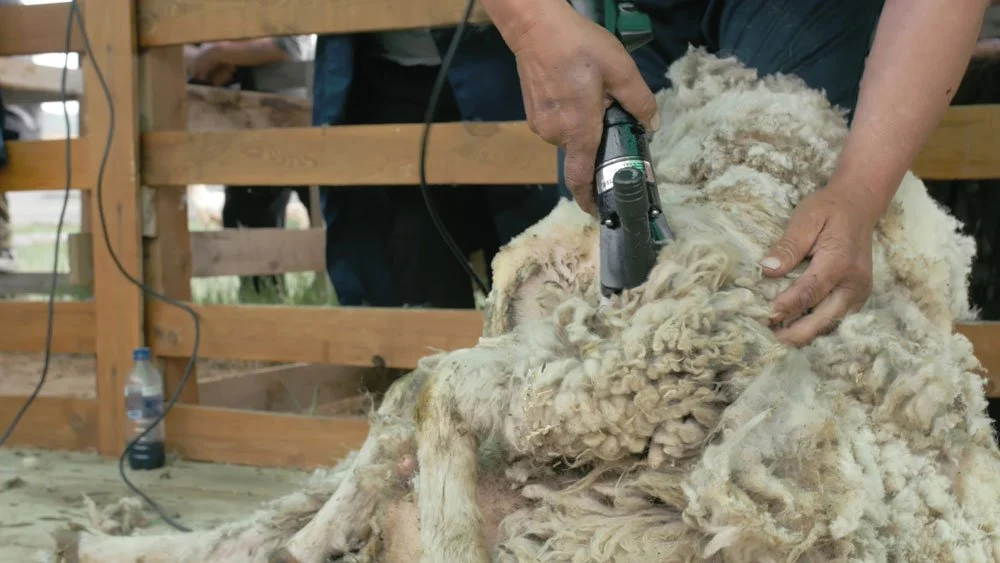
Visitors want to see what real people do and what life on a farm is actually like.
More than putting up a website
While agritourism can create additional income streams, it also comes with considerations that traditional farming businesses may not have encountered before.
Marketing and distribution strategies become important, along with visitor management, health and safety requirements and tourism industry standards such as Qualmark certification.
Insurance is another key consideration.
"The risks associated with having visitors on a farm are different from normal farming risks," Dunselman says.
Christchurch-based rural and commercial insurance specialists GSI South recently launched AgritourismCover+, a product designed specifically for New Zealand agritourism operators.
It’s the only product in the market to take into account that standard farm insurance may not automatically cover agritourism activities, accommodation or visitor experiences. Specialist advice is recommended before opening the gate to paying guests.
Opportunity on our doorstep
Dunselman believes the farming districts in the central South Island, including Waimate, are well placed to benefit from the growing demand for authentic rural experiences.
With the Waimate Trail set to bring more visitors here, and sharing borders with the Mackenzie and Waitaki districts, there are opportunities for farmers to create experiences that encourage travellers to stay longer and explore beyond the main tourist routes.
"People are looking to get off the beaten track," Dunselman says.
Tourism continues to recover strongly, with visitor numbers from the United States increasing significantly and forward bookings remaining positive. Domestic travellers are also showing growing interest in agritourism experiences.
Join the network
Dunselman established Agritourism New Zealand in 2019 after seeing growing demand for authentic rural experiences and the opportunity for farmers to diversify their income.
Since then, the organisation has helped primary producers around the country explore agritourism opportunities, connect with others in the sector and build businesses that work alongside their farming operations.
The organisation offers training through its Agritourism Academy, networking opportunities with other operators, industry support and regular updates on opportunities and trends.
"Whether you're just exploring an idea or already welcoming visitors onto your property, there are people in the network who have been through the same journey," she says.
Farmers can sign up to Agritourism New Zealand's newsletter, follow the organisation on social media or join the network to access resources, training and support.