Land sharing reaps rewards
Across the country, a growing land-sharing movement is connecting people who want to farm with those who have available land.
Locally, it’s happening on Arnstead Farm at Ikawai, where a small-scale organic market garden occupies one green acre of Maurice and Neroli Hellewell’s certified organic farm.
Carl Barnes, a former chef who once cooked for the likes of Angelina Jolie and Tom Cruise, is now growing nutrient-rich organic food for local tables and other chefs.
At the recent Big Organic Day Out event, Carl took a group of us on a tour of the garden, sharing the journey that started with a leap of faith on both sides.
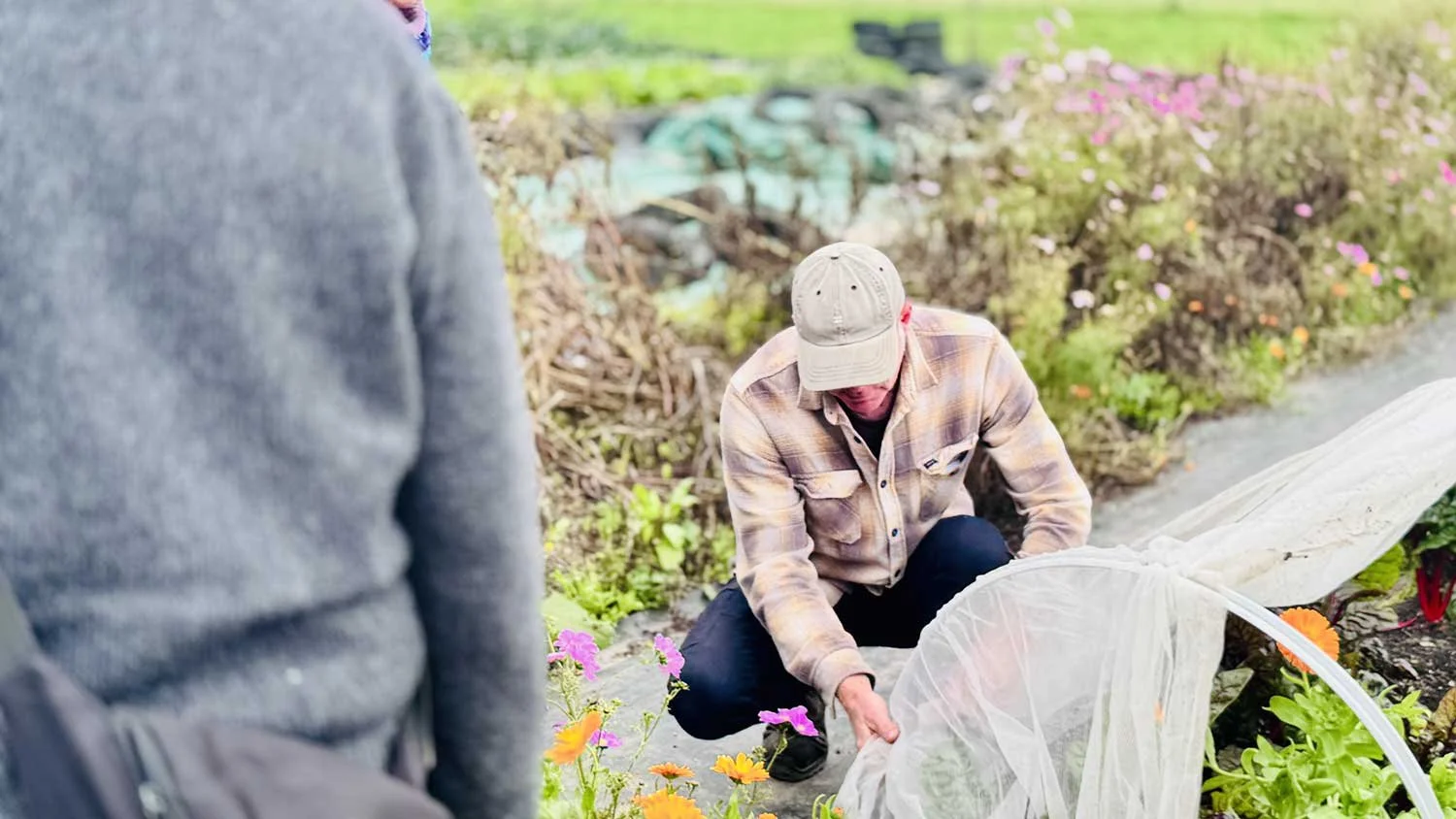
Chef turned market gardener, Carl Barnes in his One Green Acre.
Sharing land for a dream
Carl first met Maurice and Neroli through the Village Agrarians website, set up by a Dunedin couple for landshare opportunities.
The Hellewells had been looking at alternative uses for the farm for some time.
“A lot of people don’t have access to land,” Maurice says. “An acre was nothing to us in the scheme of things. We wanted to find someone who had a dream and give them a chance to do it. Carl’s dream was to grow high-quality veges.”
Carl had been interested in the slow movement and the French approach to small, intensive market gardening for some time. He and his family had previously lived a faster-paced life, based between the Gold Coast and Queenstown, where he travelled the world working on movie sets as a chef for casts and producers.
When one of their daughters headed off to university, he and his wife Rachael decided the time was right to take a risk and give the slower pace a go.
The first meeting was held on the farm in January 2025 to “suss each other out”. They found they shared the same philosophies around food and the environment - and that was enough for the land share to happen and Carl to start One Green Acre in October 2025.
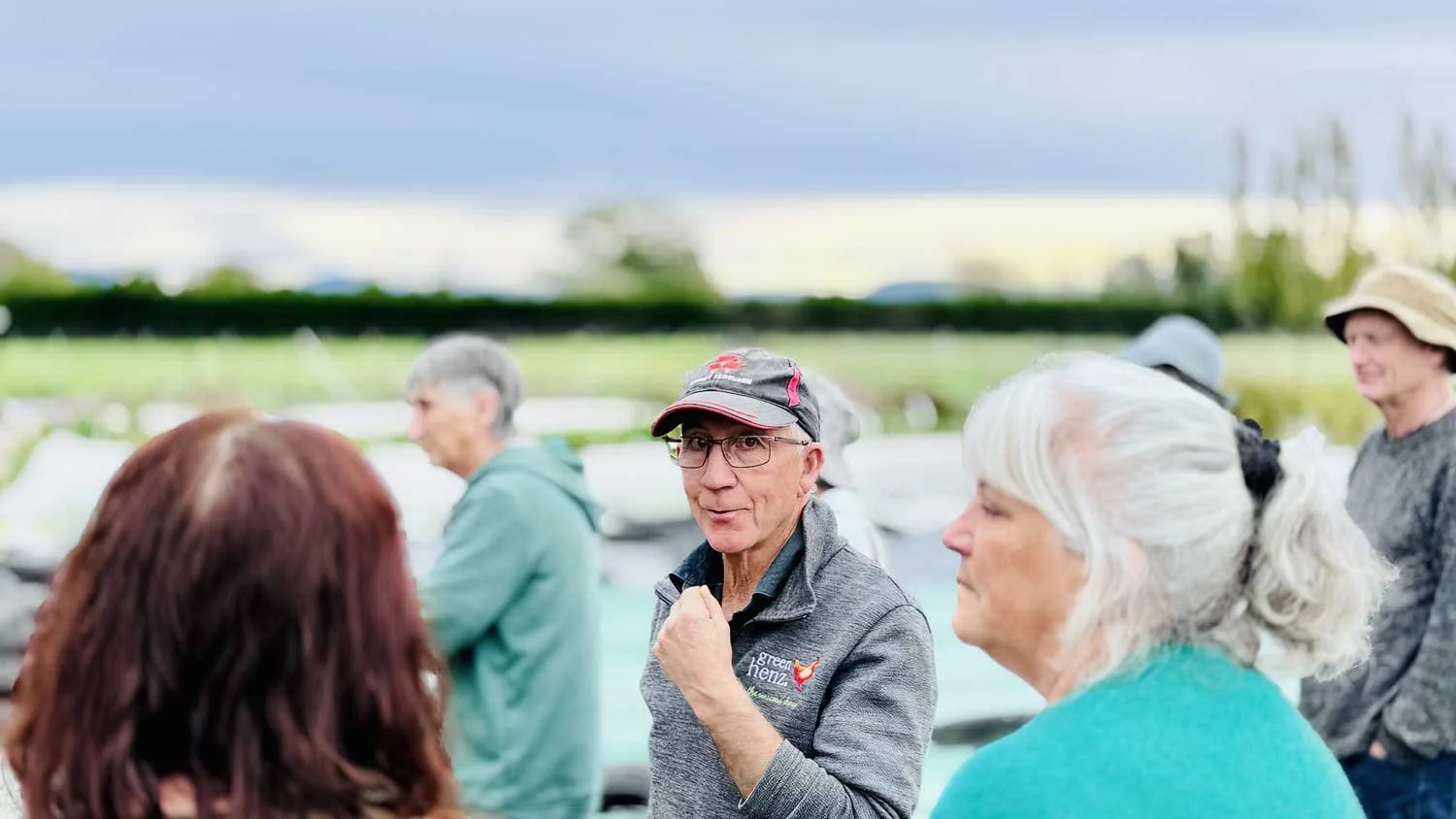
Maurice Hellewell talking to event attendees at the Big Organic Day Out on Arnstead Farm.
Just do it anyway
Carl spent his career as a chef, and although he was always growing on the side, he had no formal training in large-scale organic growing.
He had also never experienced a winter growing season and was more used to the Gold Coast climate.
Within two weeks of starting, the garden was hit by 80km/h winds, followed by snow.
“I said to Maurice, this wasn’t in the brochure.”
However it didn’t put him off and he got some great advice from local organic farmer and yoga instructor John Guthrie - if in doubt, just do it anyway.
A tractor was used once to prepare the site.
“It was the last time this ground will see a tractor.”
Around 20 tonnes of compost was brought in, and sections of the garden were covered with tarps sourced from neighbouring farms to suppress couch and twitch.
Now, when the covers are lifted, the soil underneath is weed-free and full of worms.
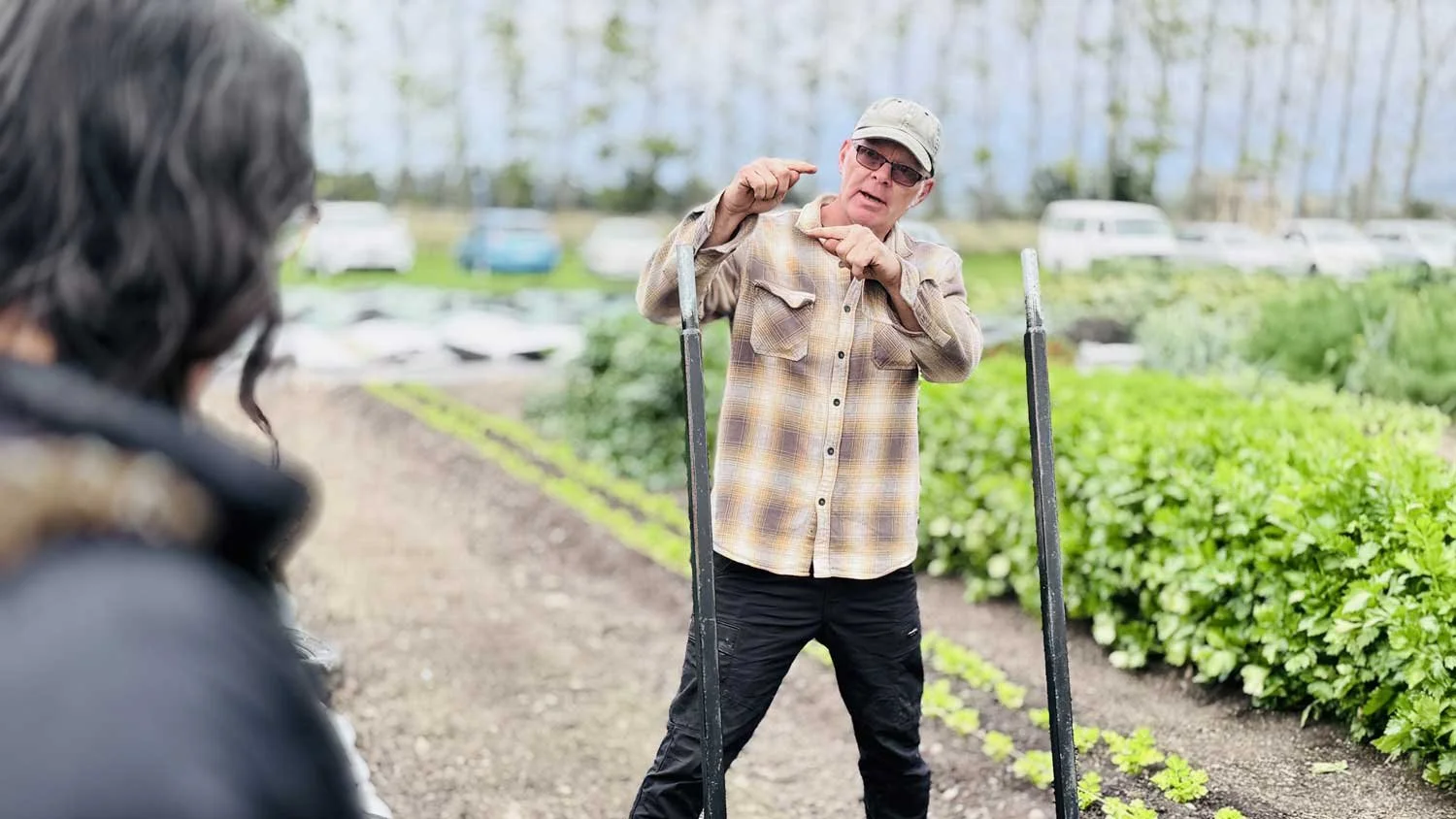
Carl demonstrates the broadfork and the benefits of the no-till system.
No-till gardening
One Green Acre is run using a no-till system.
Instead of turning the soil, Carl works to keep its structure intact. A broadfork is used to loosen the ground, allowing air and water in without flipping the soil over.
The focus is on building soil health through compost, mulch and permanent beds. Sections not in use are kept covered to protect the soil and keep weeds down.
The result is soil that holds moisture, supports plant growth and, when you take a look underneath, is full of life.
“We grow the soil and let the soil grow the plants,” Carl says. “The plants then grow the soil.”
Letting nature do the work
Healthy soil leads to healthy plants - and that’s where pest control starts.
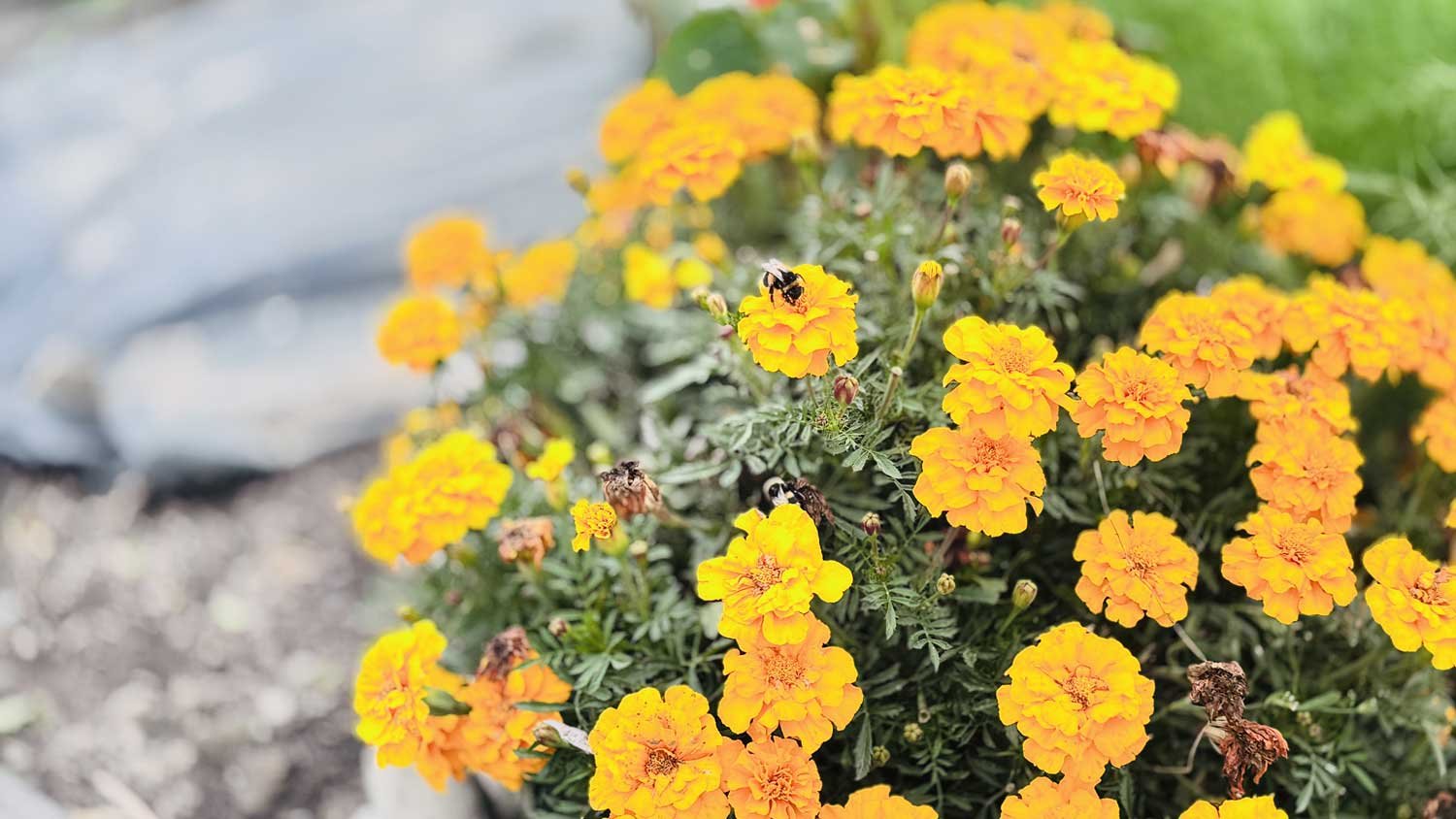
Flowers are planted throughout the garden to attract beneficial insects, creating a natural balance.
“Everything is planted for a reason,” Carl says.
He’s only needed to step in once, using neem oil during an aphid outbreak. Despite plenty of white butterflies around at one point, there were no caterpillars and little damage to the crops.
Watering is still needed, but less than expected. A simple misting system allows several beds to be watered at once, without overdoing it.
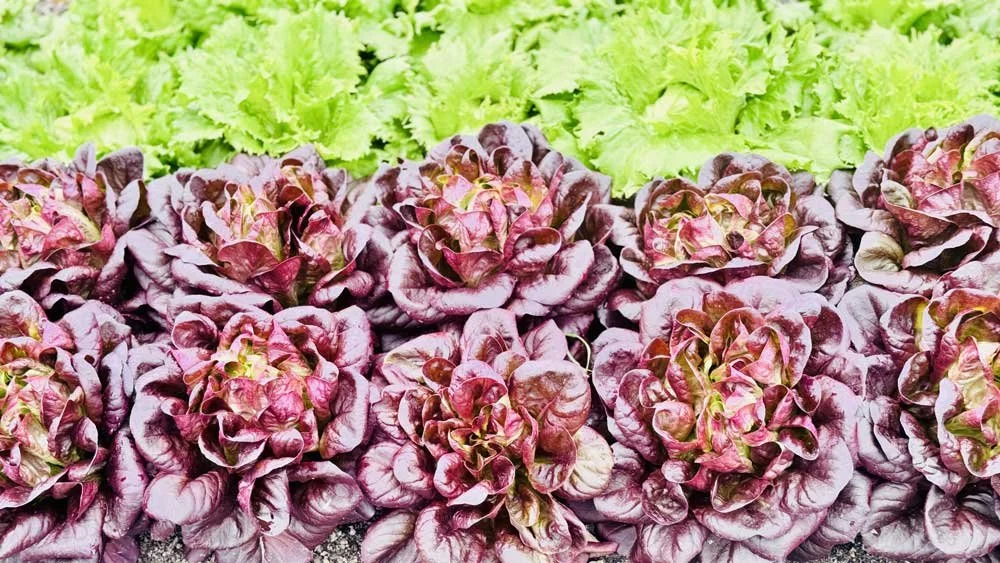
Refining the system
Like most things, the system that started with trial and error has been refined over time.
Early on, Carl planted a wide range of crops. Now, he focuses on what he knows he can grow well and sell consistently.
His background as a chef shapes that approach. Rather than growing a bit of everything, he works with buyers and grows what’s needed.
It’s targeted, consistent and based on what chefs need and what people want to eat.
With the right tools, the garden can be maintained efficiently. Weeding, for example, can be done across the whole area in around an hour.
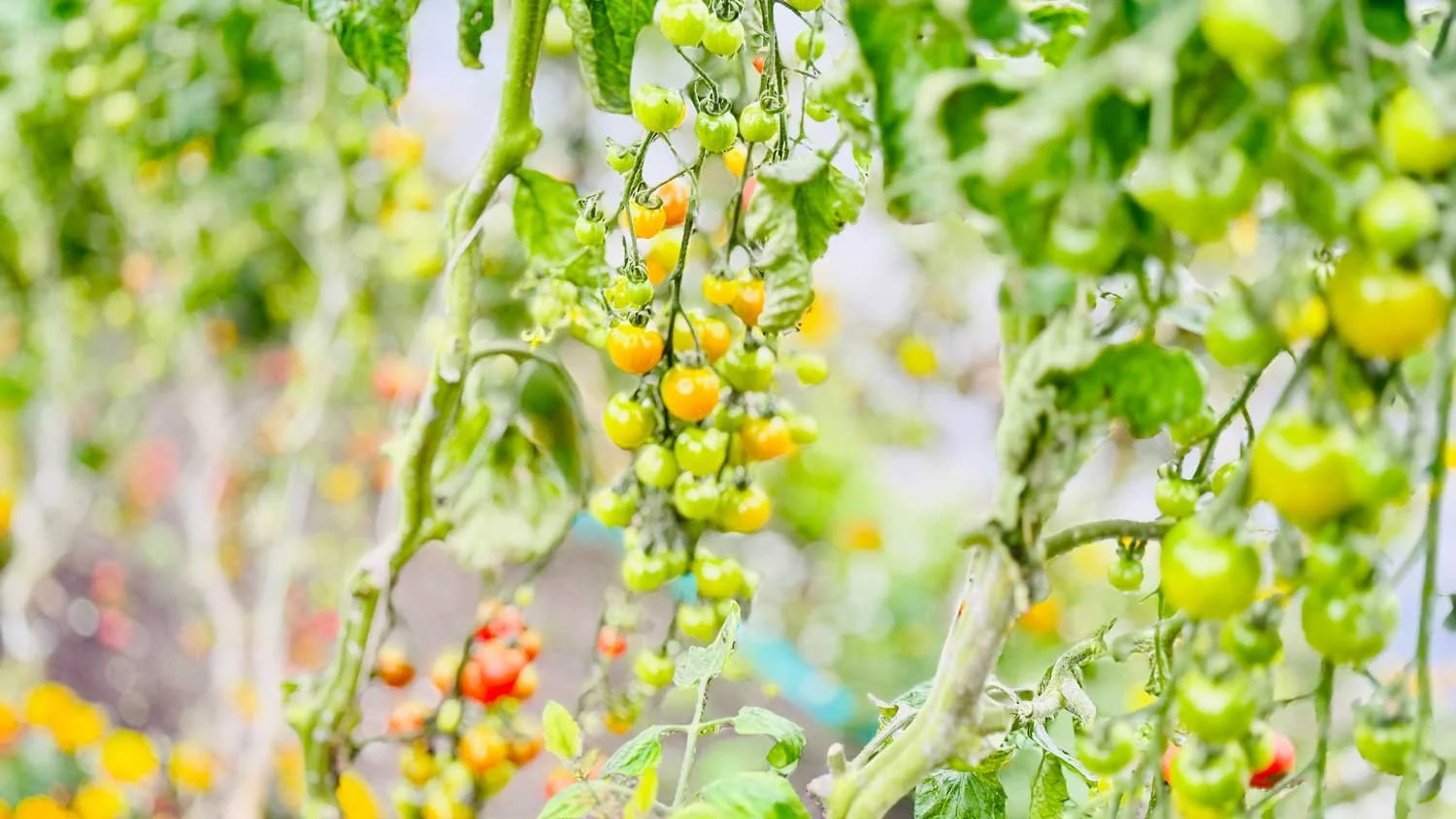
Easy access to local organics
While the garden might only take up an acre, it’s part of a wider network of growers working in similar ways. Production by the masses instead of mass production.
Groups like Goodwood Permaculture and Village Agrarians connect people, share knowledge and provide support.
“It can be a bit of a lonely job otherwise,” Carl says. “We keep in touch and help each other out.”
For the Hellewells, the land-sharing setup has worked well too.
“What Carl produces can go through our existing markets, so it adds to what we can offer,” Maurice says. “It’s good to have another pair of hands, and it’s been good socially too.”
For locals, fresh, nutrient-rich vegetables are available through a weekly delivery. Carl lists what’s on offer each week on the One Green Acre veg box Facebook group. Orders are harvested and packed on Wednesday, with pickup available on Thursday from the farm or the clock tower in Waimate.
In this district, buying affordable, certified organic food is as simple as placing an order each week, or buying Green Henz eggs at Waimate New World.