Roselyn Fauth reflects, one year after her Aoraki Woman of the Year win
The Aoraki Women’s Fund Women of the Year event returns on Thursday 5 March, with the 2026 Woman of the Year set to be announced on the night.
It’s an event to honour, uplift and celebrate the ‘extraordinary’ women who make things happen in the region.
Last year, the inaugural title went to Roselyn Fauth nee Cloake.
Ahead of this year’s event, we caught up with her to talk about the work that led to her nomination, and how the win gave her space to stop, reflect, and ask a bigger question about whose stories get told - and whose don’t.
And that question would end up shaping the next chapter of her work.
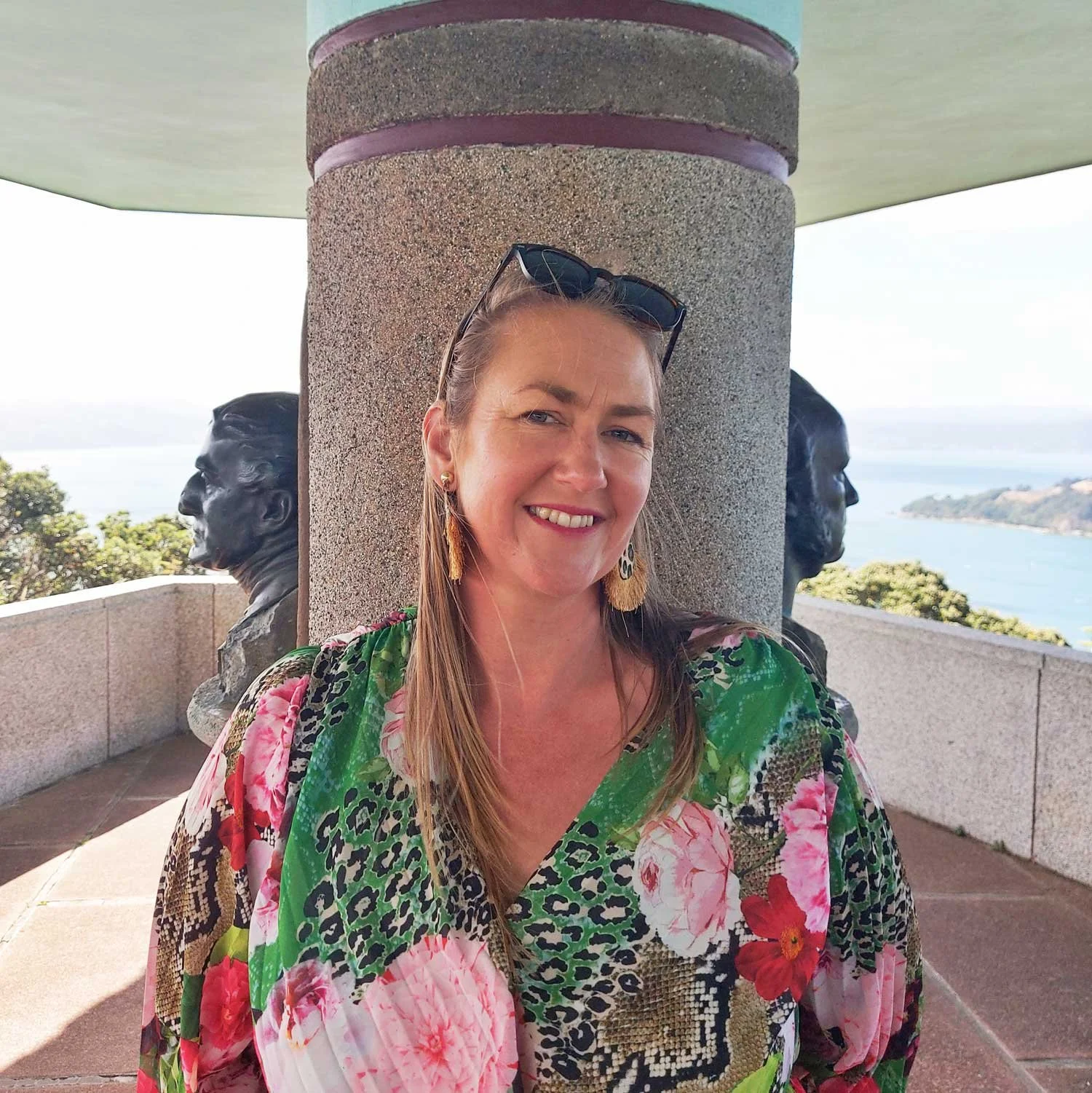
The extraordinary Roselyn Fauth.
More Than Giving
Roselyn started volunteering with the Friends of the Aigantighe Art Gallery in her early twenties. At the time, she thought it was all about what she could give to the group.
Twenty years on, she sees it differently.
“It gave me a foundation,” she says. “It taught me how to be a volunteer, how to lead, how to take on different roles. And it gave me access to people I wouldn’t have met otherwise.”
And it was social too. She met artists, worked openings, handed around wine and food, made friends and built connections.
And later on, in 2018, when the future of the gallery was questioned and earthquake strengthening was put in doubt because of cost, Roselyn was among those who pushed back.
She was involved in the advocacy to keep the gallery operating in its historic home, speaking up for its value to the district and backing the case for strengthening rather than walking away.
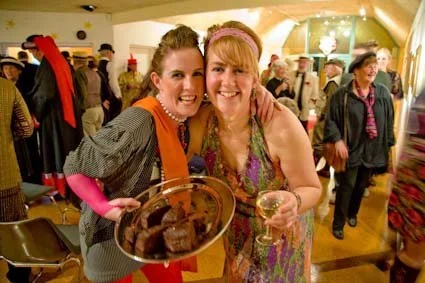
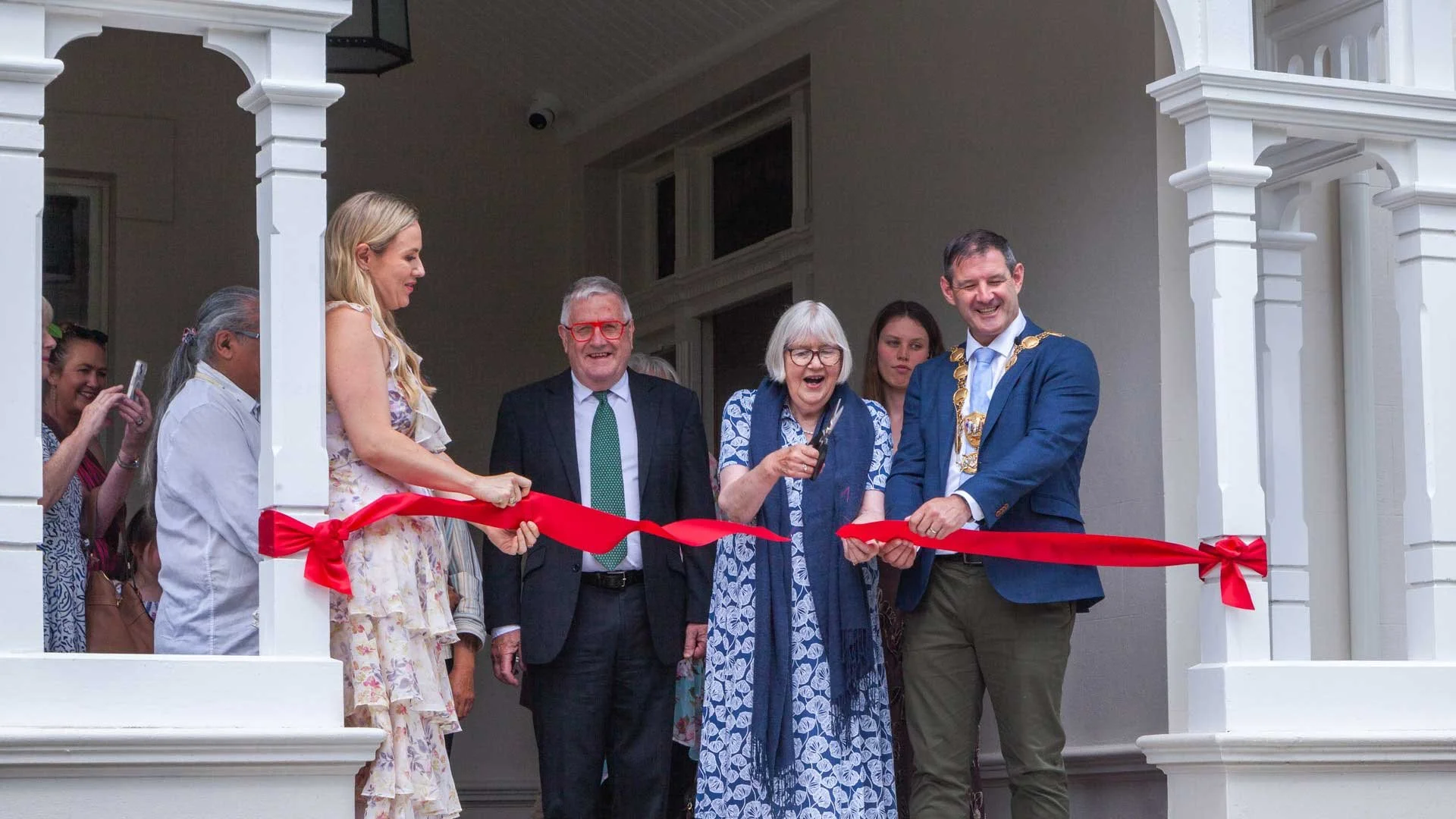
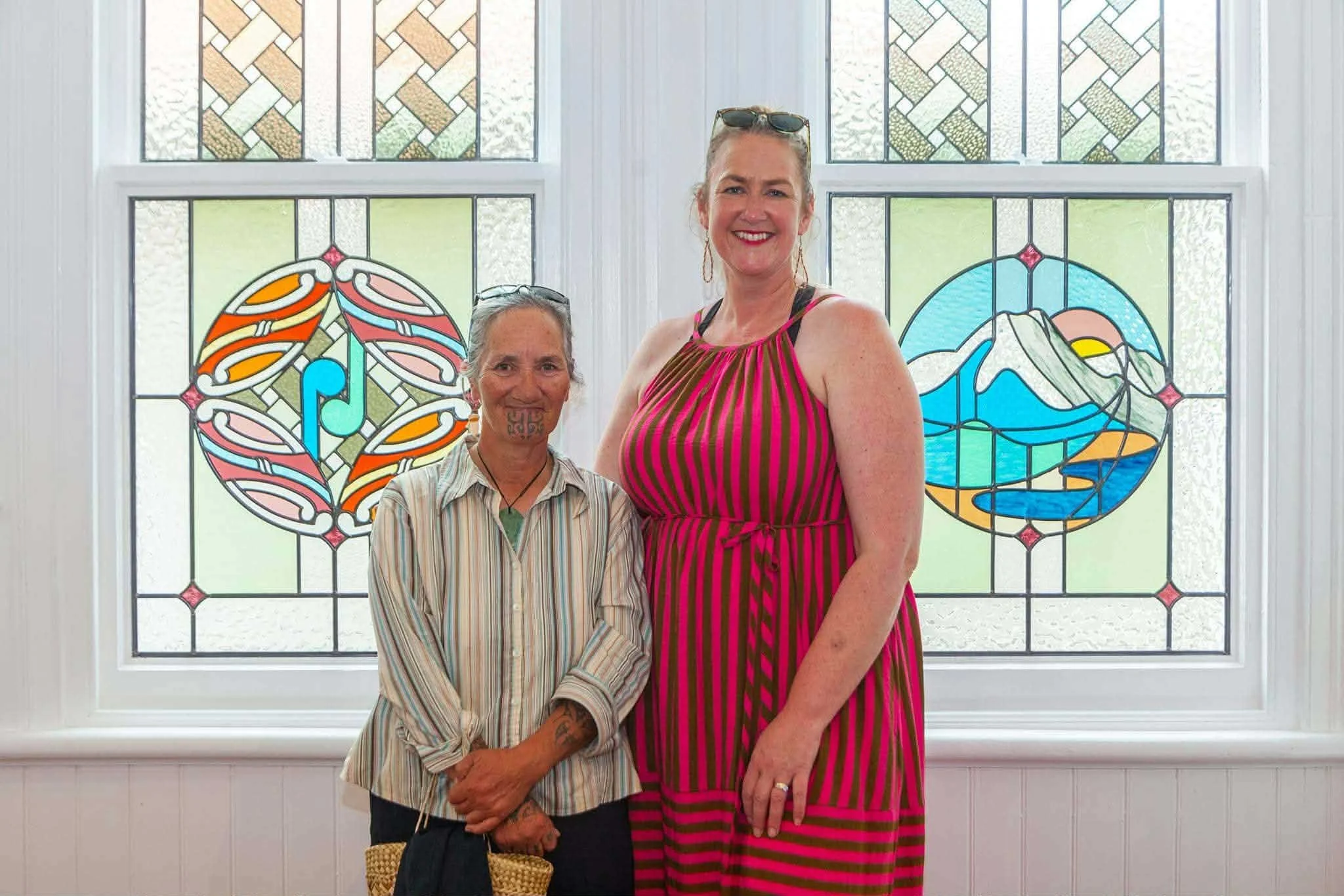
Top left: Early volunteering with Bridget Danson. Top right: Reopening the house in 2024 with supporters, gallery staff, and descendants of the Grant family, Roselyn in background. Photo credit Geoff Cloake. Bottom: With friend and fellow artist Francine Spencer in the newly opened gallery.
Timaru Rocks
Roselyn laughs when she recalls how a cousin got in touch one day and said, “We’re doing this random thing and I think you’ll love it.”
She did. And it led her to start Timaru Rocks - a simple community project where people paint rocks and leave them around town for others to find.
“I had the most incredible time,” she says. “It’s so accessible, you grab your canvases from the beach.”
A community formed around painting together, then giving the rocks away. Even though she’s an accomplished artist, it didn’t matter if the art was good or not. That wasn’t the point.
Through Timaru Rocks she again found herself connecting with people she may never have met otherwise. That, she says, was the real value.
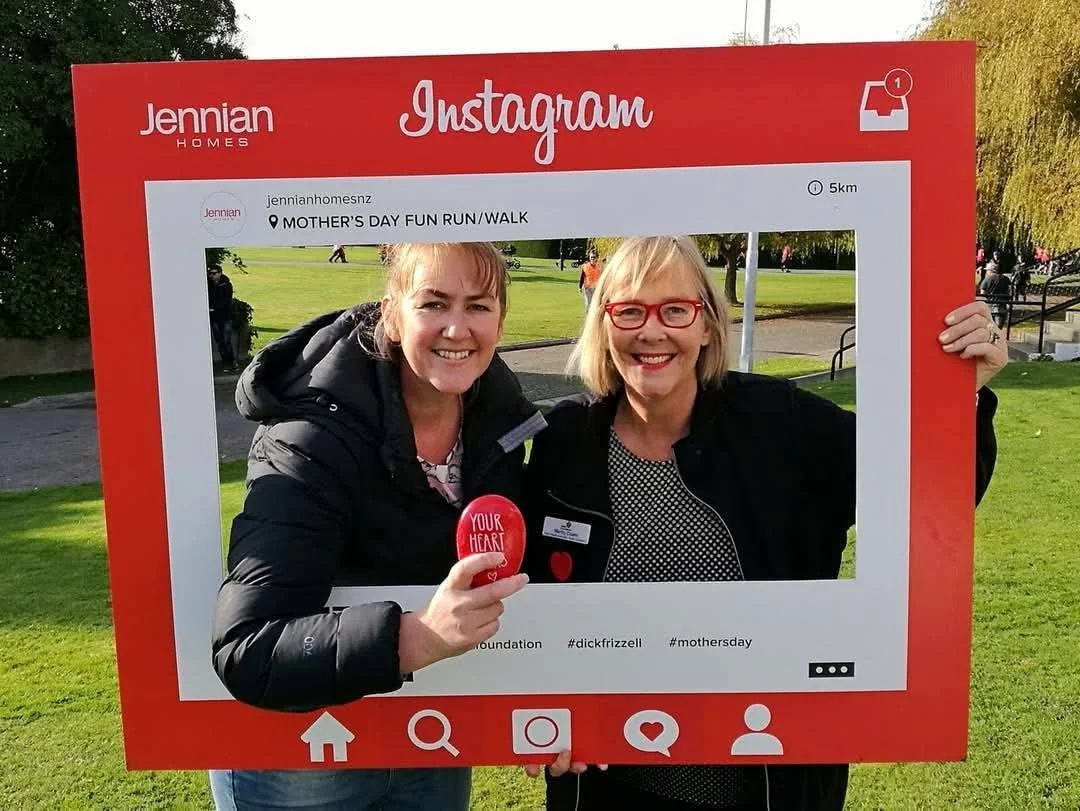
With her Mum, Marthy Cloake nee Roos, who not only modelled and inspired Roselyn’s volunteering, she still makes it possible by helping out at home when needed.
Sharing the Wuhoos
Roselyn knew Timaru Rocks wouldn’t last forever.
But the audience was there - around 5,000 followers at the time - and the appetite for simple, free fun was obvious.
So she started Wuhoo Timaru with her husband Chris and her dad, Geoff Cloake. They hunted out free events, shared what was happening around town, and created their own activities when there was a gap.
Scavenger hunts became a big part of it. They built themed trails families could do at their own pace - clues to follow, places to visit, challenges that got people moving around town.
Then Covid hit, and everything had to change.
Stories from beyond the headstones
With people confined to their bubbles, Wuhoo shifted to finding things families could do at or close to home.
Roselyn and Chris worked in shifts. She’d take the morning to get work done, then they’d swap. To fill time and keep the kids moving, they’d walk up the road to the cemetery. Certain names and brief inscriptions caught her attention, so she’d head home to find out more.
“I was no writer,” she says. “I’m not a researcher and I’m dyslexic.”
But once Roselyn has inspiration she takes it all the way.
She dug into the archives and wrote blog posts about the people behind the stones. One story led to another. Uncovering lives that had largely been forgotten became the next thing she did.
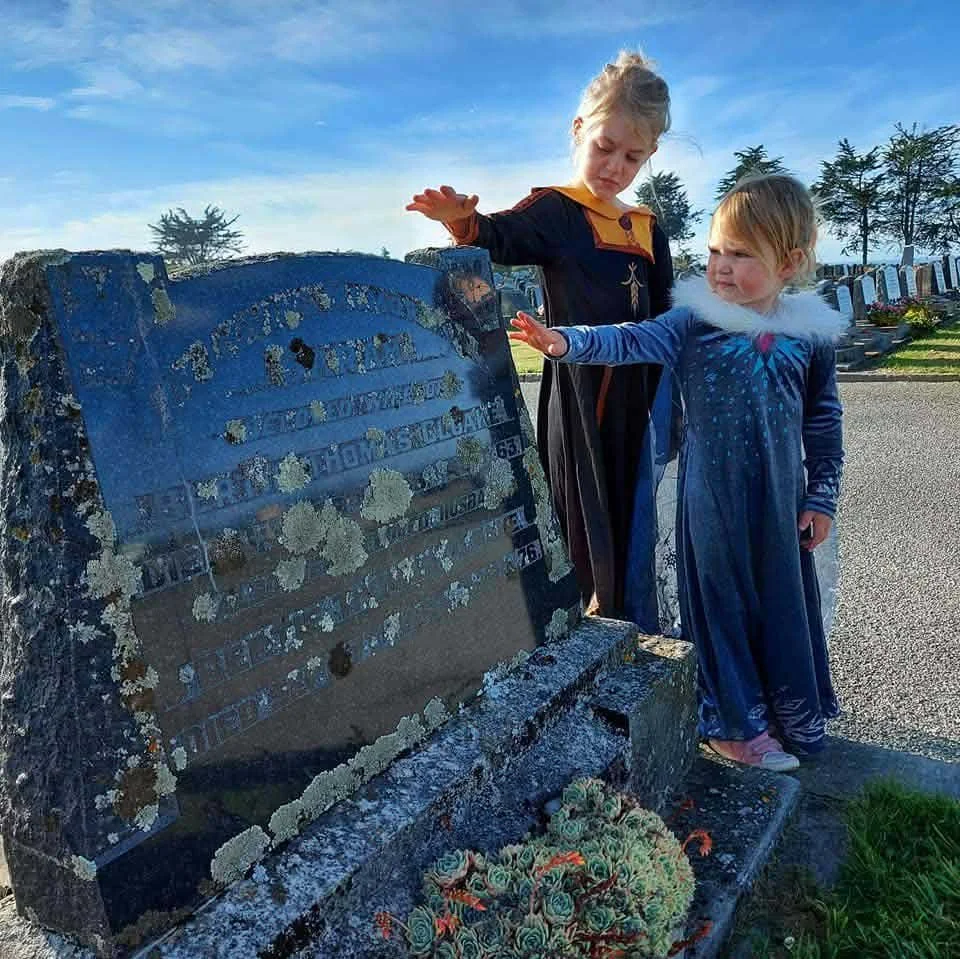
Daughters Medinella and Annabelle during the first lockdown in 2020.
Aoraki Woman of the Year
The nomination came out of the blue. Roselyn was scrolling Facebook when she saw her face in a post announcing the finalists. To this day, she doesn’t know who nominated her.
On awards night, she tried to relax, after all, she didn’t expect to win. The event, she kept telling herself, was about celebrating everyone else.
Then her name was called. She was getting ready to clap when she noticed everyone turn to look at her.
“It was a strange feeling,” she says. “Hard to articulate.”
Part of her instinct was to shrink from it. But she also knew she hadn’t done any of it alone.
“It was nice to be recognised as an individual,” she says, “But I’ve done it for the results, not the accolades. It’s really important to me to share credit where it’s due - it’s because of all the people who have been on the journey with me.”
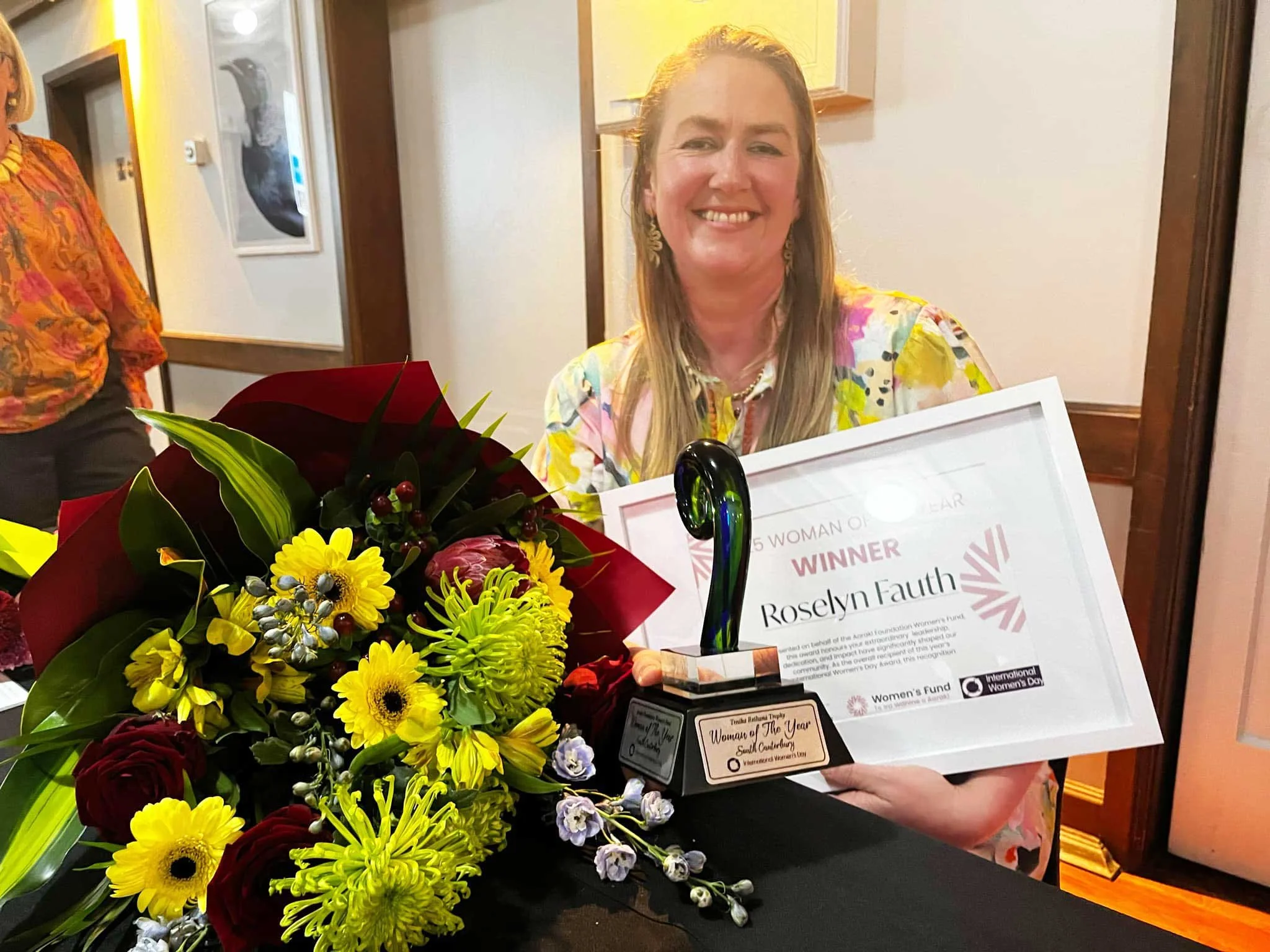
Roselyn after being named 2025 Aoraki Woman of the Year.
A new purpose
After the win Roselyn started getting invitations to be a guest speaker and share her story. People wanted to know who she was.
“Who am I?” she remembers thinking.
She had just come through significant health issues and being asked to talk about herself and her journey almost felt like a rebirth.
“Stopping to reflect was a blessing,” she says. “I’d been so busy ‘doing’ that I hadn’t stopped to think about what I’d done or where I was heading.”
The awards night also made her question the purpose of events that celebrate women. The answer became obvious.
When she looked back over her cemetery blogs, the stories were all about men. Their names were on the headstones. Their achievements were recorded.
So she made a deliberate shift - to find the women on the margins and put their stories on paper.
Now she feels like a genuine advocate for women and she’s grateful for all the women who came before her.
“There has been progress,” she says, “but there is still work to do, and maybe that was what I didn’t understand before.”
Finding Ann
That shift led her to find Ann Williams.
Ann was the wife of whaler Samuel Williams and the mother of Timaru’s first recorded European-born child. She died on 18 November 1860 in the doorway of the Timaru Hotel, near what is now the Landing Services Building.
Samuel was remembered with a headstone. Ann was not.
Roselyn couldn’t find her grave anywhere, and that wasn’t good enough.
She set about ensuring Ann was acknowledged. On the 165th anniversary of her death, Ann was formally remembered, and the memorial Roselyn helped fundraise for now stands as a public marker of a life that might otherwise have remained a footnote.
Not content to stop there, in December 2025 with the support of stone mason Les Jones and the Timaru Civic Trust, another monument was fundraised for, to remember all of those who rest in unmarked graves, something that bothered Roselyn on her quest to find Ann.
What’s next?
“I’m going to learn to say no,” she laughs.
For now, she’s focused on her new role at Timaru Girls' High School as Alumni and Community Coordinator. As an old girl herself, it feels like a natural fit. She’s already working closely with the school archivists - something that plays directly to her interest in uncovering and recording stories.
If there’s a theme running through everything she does, it’s this: she doesn’t watch from the sidelines.
“If you want to be in a village, you have to be a villager,” she says. “You need to get stuck in. Support. Uplift.”
That’s also what the Aoraki Foundation awards are about - recognising women who do exactly that.
This story only touches on the work of this dynamic wahine. She feels strongly shaped by her family, past and present, and has accomplished far more than fits here. You can read more on her blog.