Wallabies on notice as funding secured for 9km Studholme Bush fence
Wallabies, pigs and goats have had the run of Studholme Bush Scenic Reserve for years.
But not for much longer.
Funding has now been secured to complete a 9km predator-proof fence around the reserve at the entrance to the Waimate Gorge - a major milestone for the Friends of Studholme Bush (FOSB) restoration project.
The Waratah wallaby exclusion fence is 1.3 metres high, with an apron along the base designed to stop animals pushing underneath.
This fencing system is already being used by the national wallaby eradication programme in the Mackenzie Basin and in Whakarewarewa Forest in Rotorua.
Once finished, the fence will protect one of the last remaining remnants of native forest in the Hunters Hills, giving the bush a chance to regenerate.
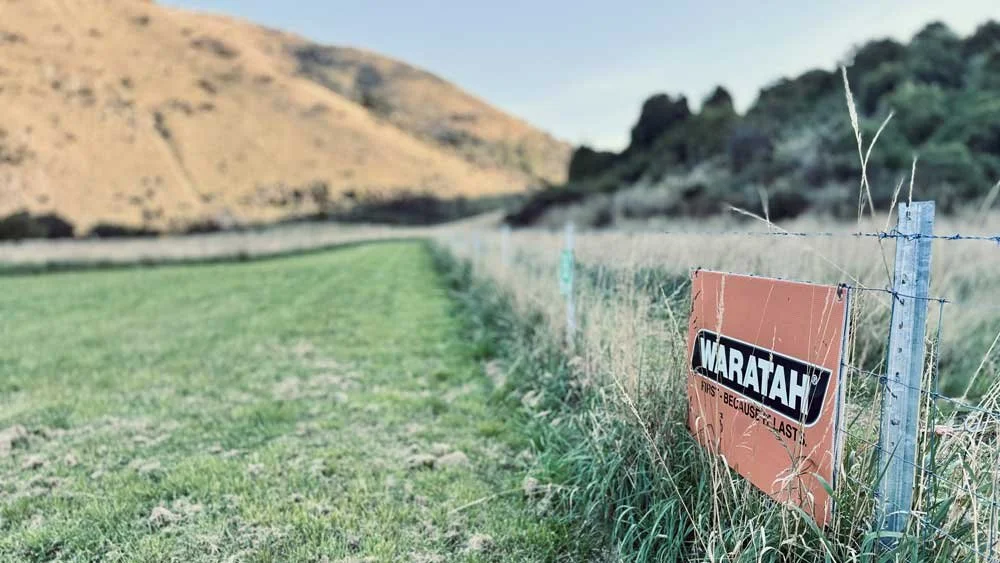
The Waratah wallaby exclusion fence at the bottom of the reserve.
Letting the forest grow again
Anyone walking through Studholme Bush Reserve can see the damage these hungry pests are doing.
In a healthy native forest, the space beneath the larger plants should be thick with life - ferns, seedlings and young trees filling the gaps beneath the towering trunks. You shouldn’t be able to see far through the bush at all.
But in Studholme Bush the forest floor is sparse.
Wallabies, goats and pigs eat young plants before they can establish, preventing the next generation of forest from growing.
Without those seedlings and saplings, the forest cannot renew itself.
The new fence aims to change that, bringing back the bush and the native birds, animals and insects that make homes in it.
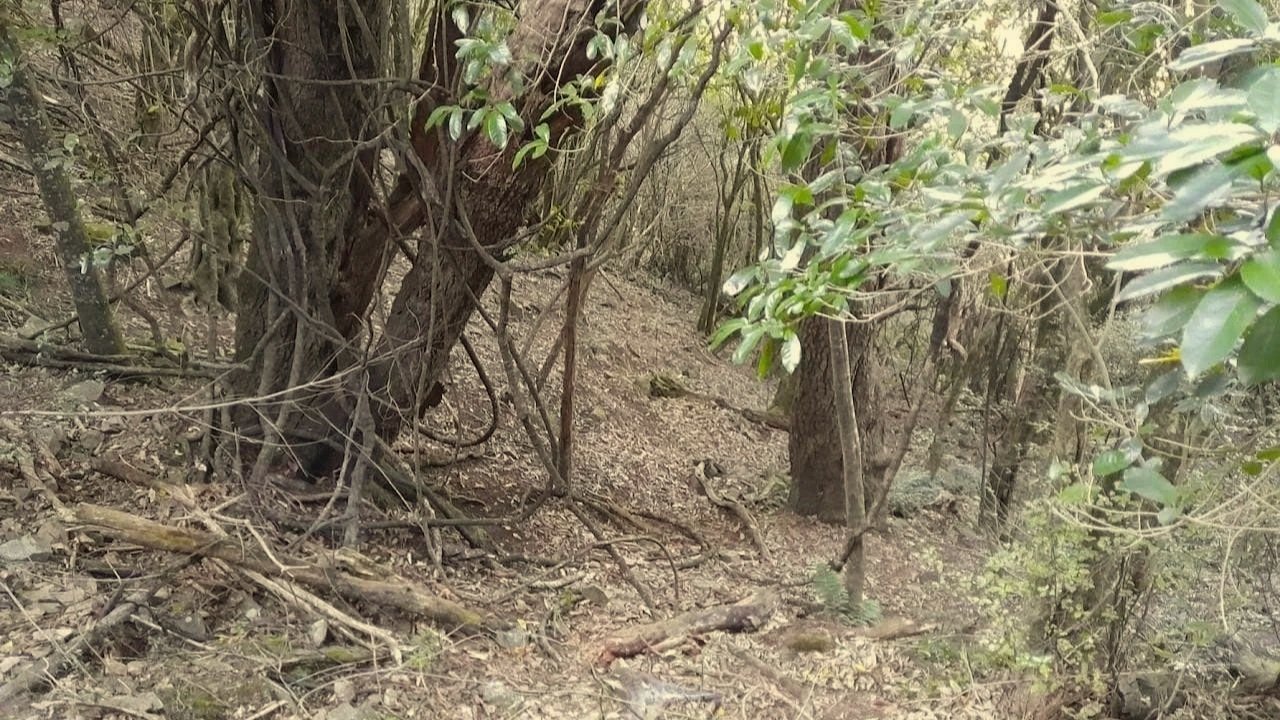
The damage caused by pests is obvious - a complete lack of young plants like ferns, which will keep the native forest regenerating.
Great conservation work across Waimate District
It’s the second predator fencing project in Waimate district.
Just a few kilometres away, Point Bush Eco Sanctuary is protected by a predator-proof fence and is a great example of how quickly native forest can recover. Walk up the Whitehorse Walkway and you’ll notice ferns and young plants flourishing beneath the trees, along with the sound of birdsong - the result of years of work by Gary and Ann Dennison.
Elsewhere in the district, community-led predator trapping programmes are also making a difference. At Kelcey’s Bush and Gunns Bush, volunteers have removed more than 400 introduced predators in the past four years, including possums, rats, stoats, hedgehogs and feral cats.
Together, projects like these are helping rebuild pockets of native habitat across the district.
Ancient forest
Studholme Bush Scenic Reserve sits at the entrance to the Waimate Gorge and protects 281 hectares of one of the last remnants of native forest in the Hunters Hills.
Before European settlement, around 9,000 hectares of podocarp forest covered the area. Much of it was logged in the 1860s and a major fire swept through the district in 1878, leaving only pockets of bush in the gullies.
The land was gifted to the public by the Gama Foundation in 2008 and passed to the Department of Conservation the following year. Another wildfire burned 154 hectares of the reserve in 2010.
Friends of Studholme Bush now works alongside the Department of Conservation under a Community Agreement to restore and protect the forest.
Next step is pest control
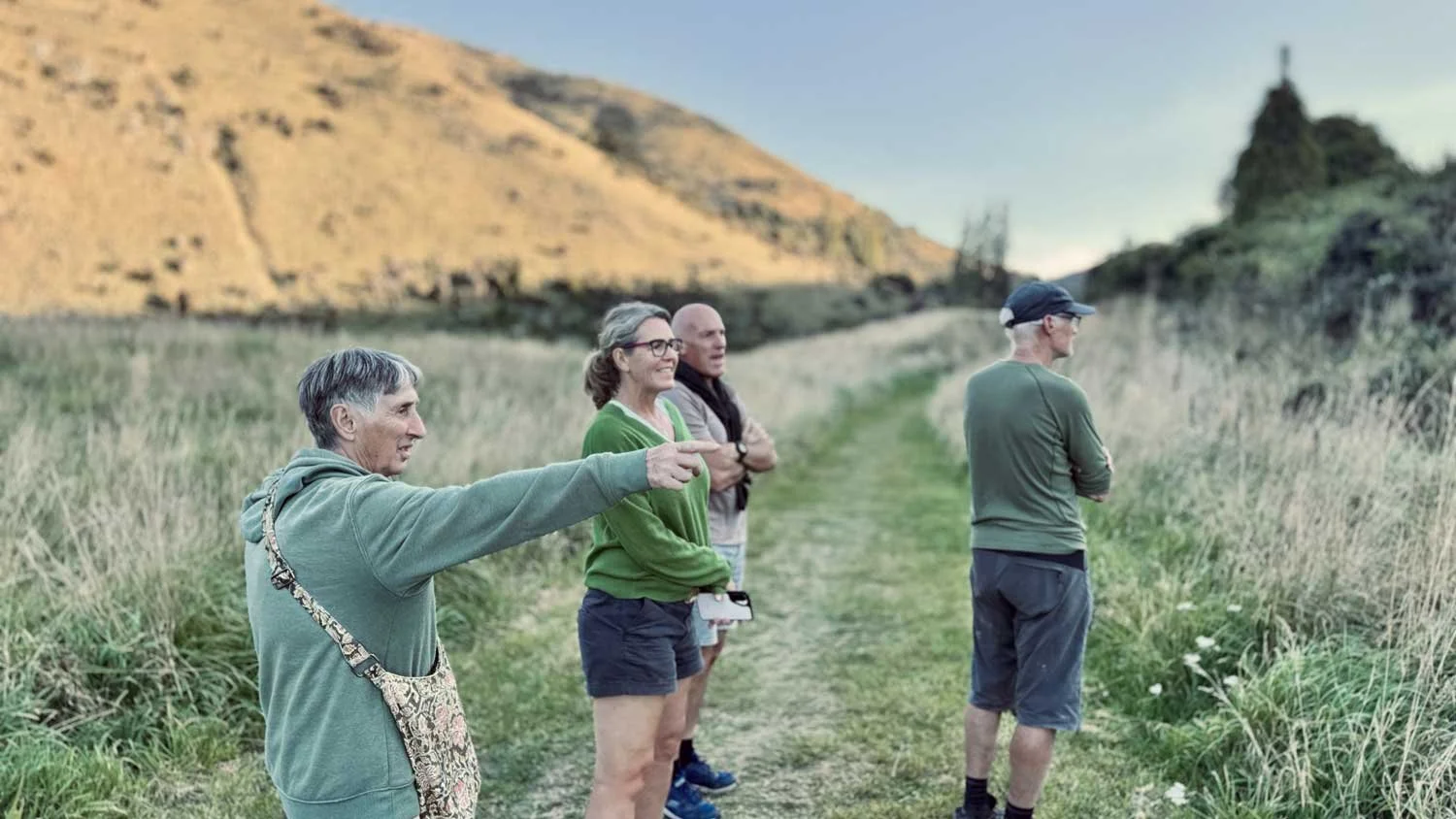
Chair of FOSB, Andrew Oliver, walked the lower perimeter last week with committee member Zuni, Jo Sutherland and Hamish Seaton from The Waimate Trail project to work through the fence and trail alignment.
The final 3km section along the gorge is expected to be finished by the end of June.
Once the fence is complete, the next stage will focus on removing the pests already inside the reserve.
“We haven’t decided exactly how that might work yet, with a number of options on the cards” Andrew says.
For visitors walking through Studholme Bush in the future, the difference should be clear.
As the forest regenerates, the understorey will thicken with native plants, creating habitat for birds, insects and other wildlife.
What is now a sparse forest floor has the potential to become a dense, living bush once again.