Big Organic Day Out marks a year on from incinerator fight
It’s been a year since the proposed Project Kea waste-to-energy plant came to a halt in Waimate District, a move that many in the community - particularly nearby residents, farmers and the local primary school - welcomed.
Why Waste Waimate Inc (WWW) formed in response to the proposed incinerator. Members, including spokesperson and local artist Robert Ireland, attended meetings, asked questions, and began building a clearer picture of what was being proposed.
Most members of WWW didn’t have a background in waste management or campaigning. It started with a simple question - what is this? As they dug into it, their concerns around incinerating waste grew.
According to Ireland, “the more they investigated, the less it made sense”.
Through that process, they learnt a lot about the creation and management of waste - and what they don’t want to see happen here.
“We saw what we really didn’t want to do with waste, Ireland said.
“But it’s one thing to harp on about what you don’t want, we need to find alternatives.”
That thinking is shaping what comes next. The group has stayed connected and is ready to support other communities facing similar proposals, while focusing on what better options could look like.
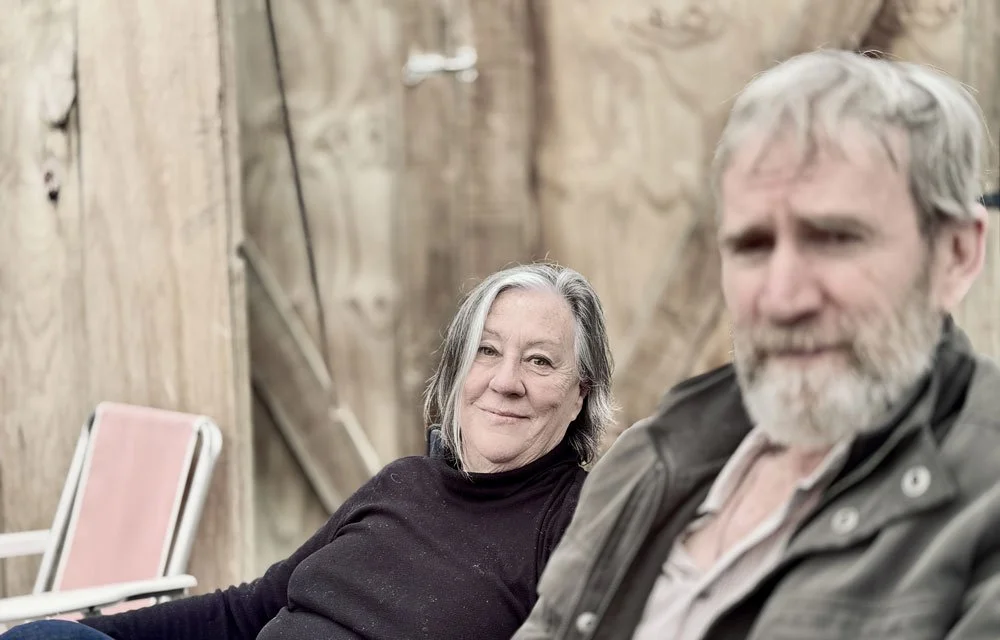
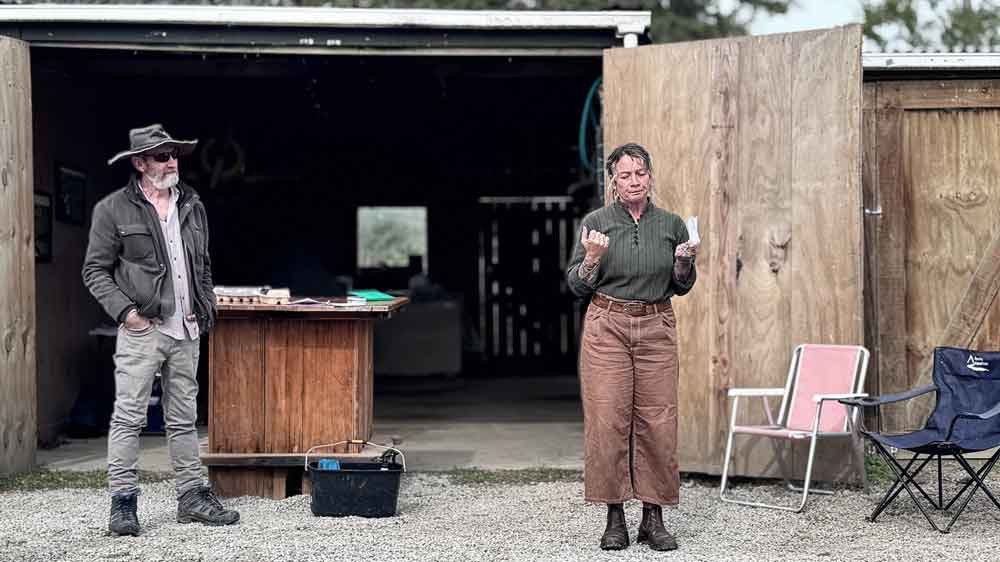
Why Waste Waimate Inc’s Heather Campbell and Robert Ireland.
Big Organic Day Out
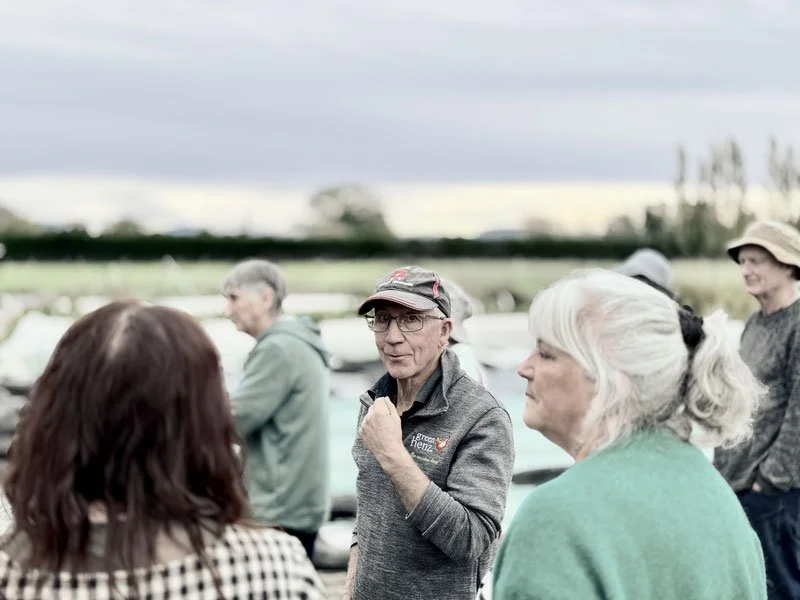
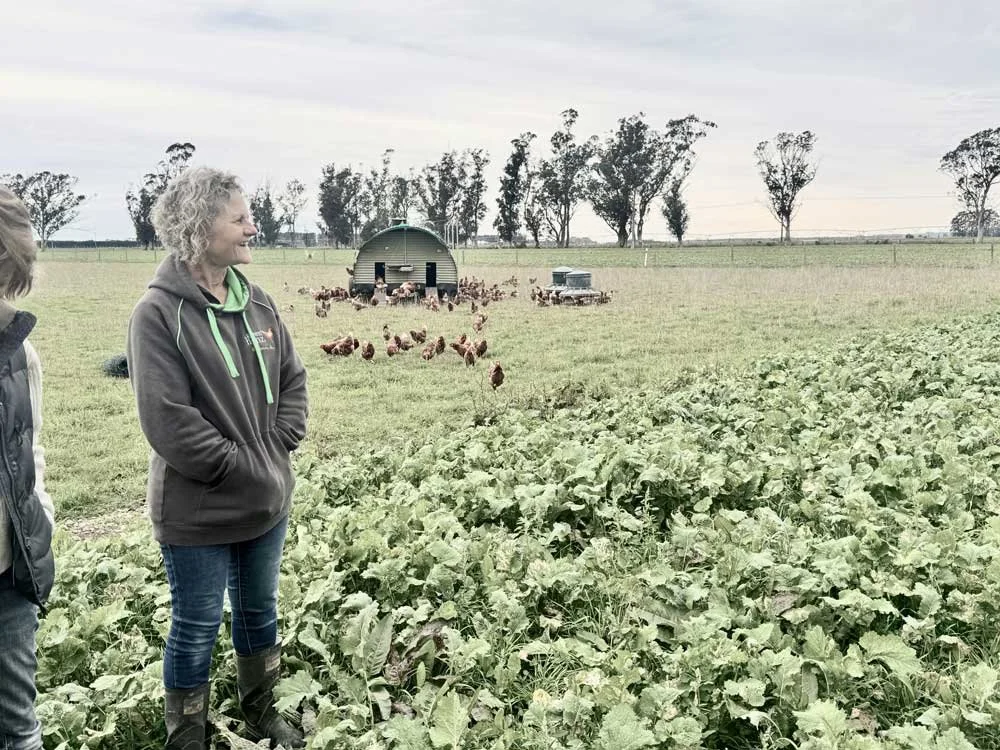
WWW members and invited guests gathered at Maurice and Neroli Hellewell’s Arnstead Farm at Ikawai on Sunday.
Held in partnership with the Hellewells and Carl from One Green Acre, the day brought together locals and guest speakers from across Waimate, Timaru and Ōamaru to talk waste, and what better options could look like.
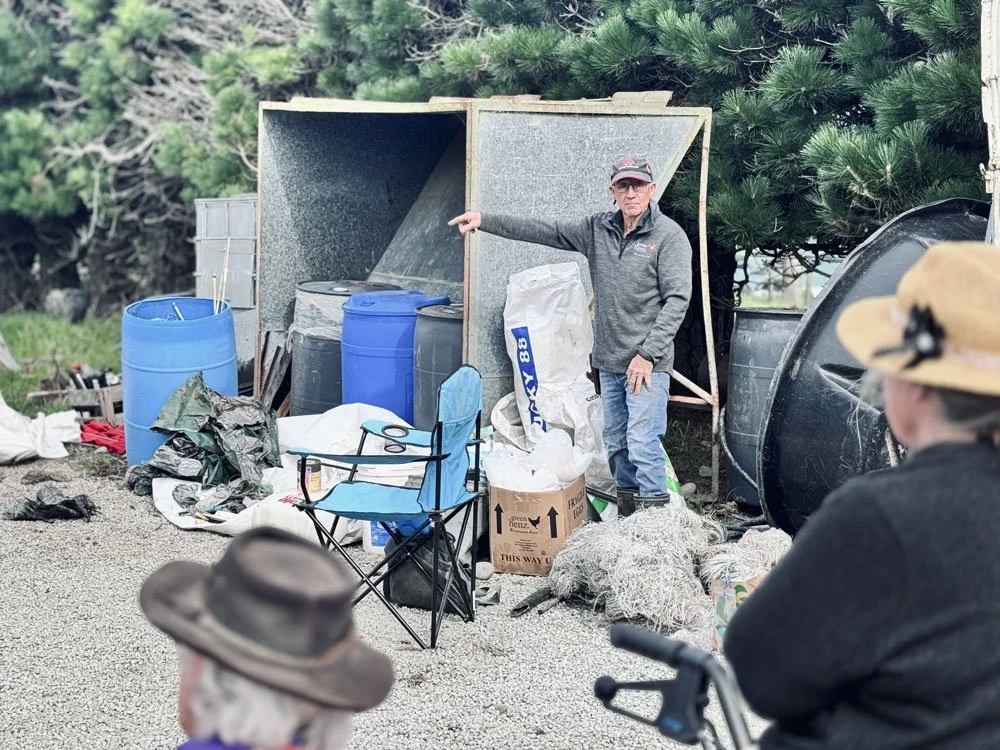
The event was split into two parts - a morning shed session focused on where waste goes, led by Trish Hurley from Waitaki Resource Recovery Park and Briony Woodnorth waste minimisation advisor from from EnviroNZ.
Maurice commented that he’d welcomed a lot of people to his farm “but it was the first time they’ve gone through my waste”.
Guests also heard from Ra from the Waitaki Community Garden and Kylie from Waimate’s one.
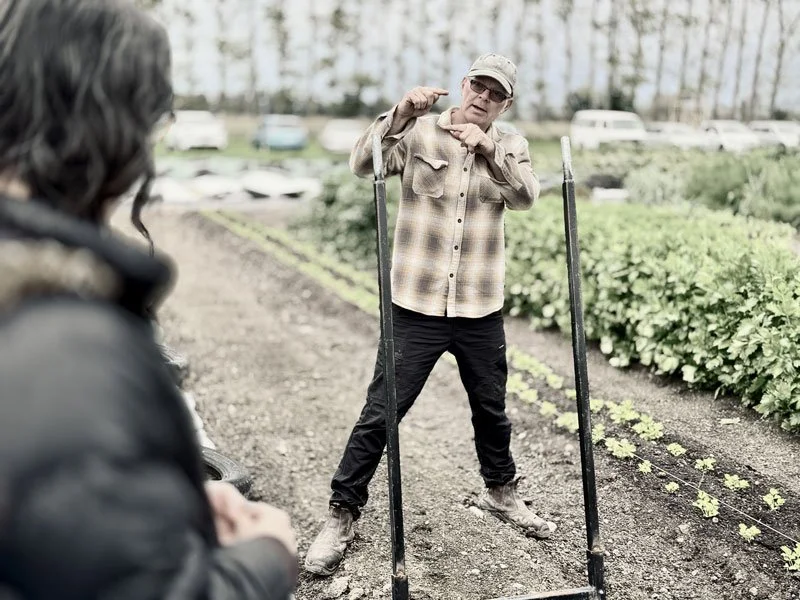
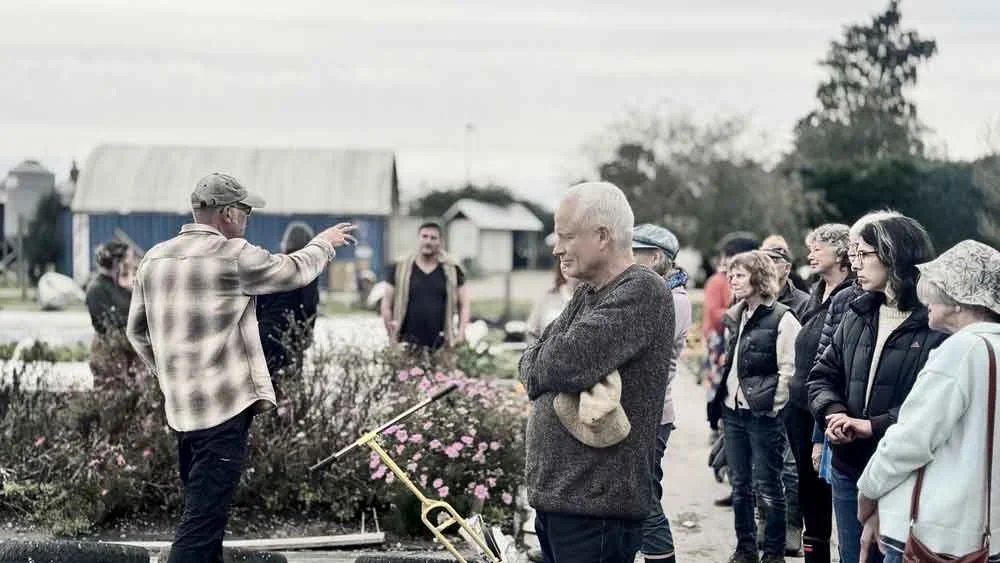
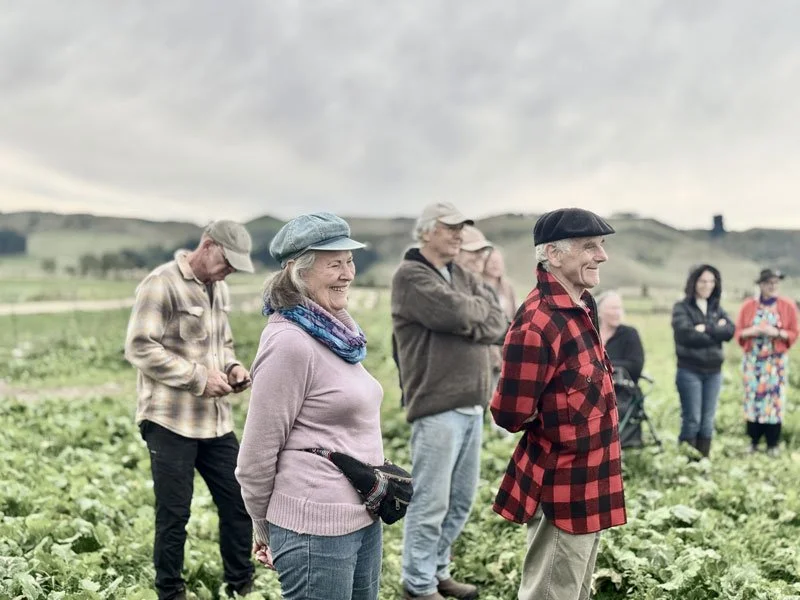
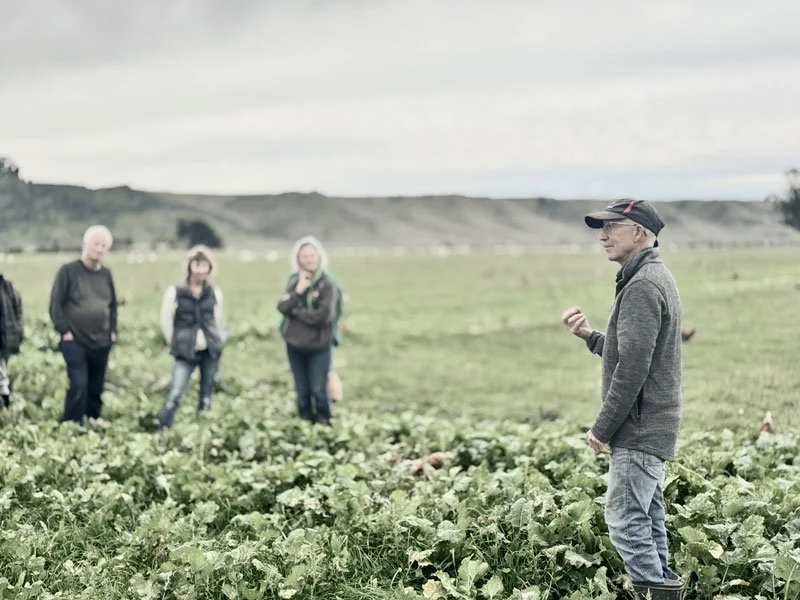
The morning session was followed by an afternoon on the farm, showing how organic farming is done in practice.
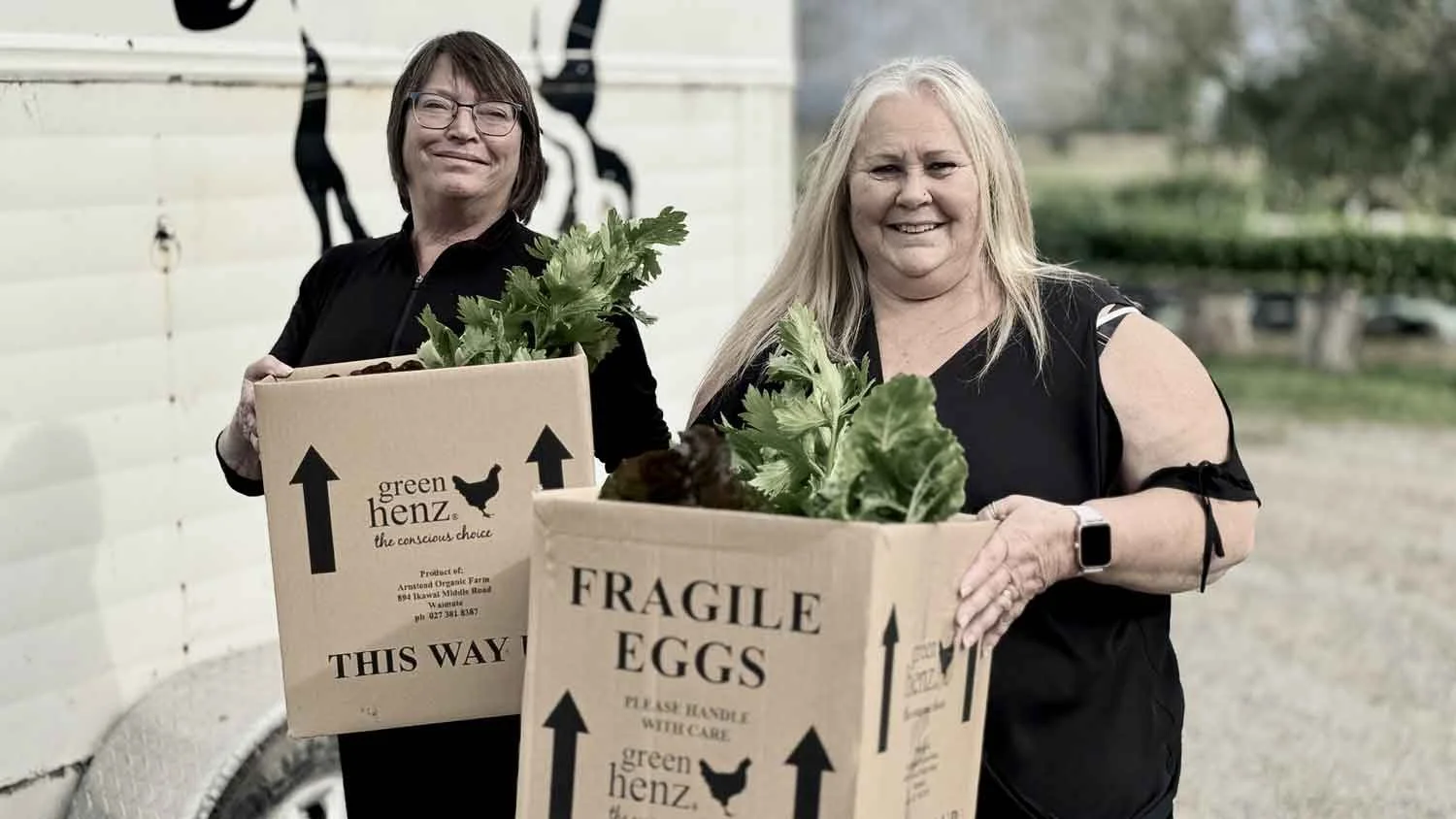
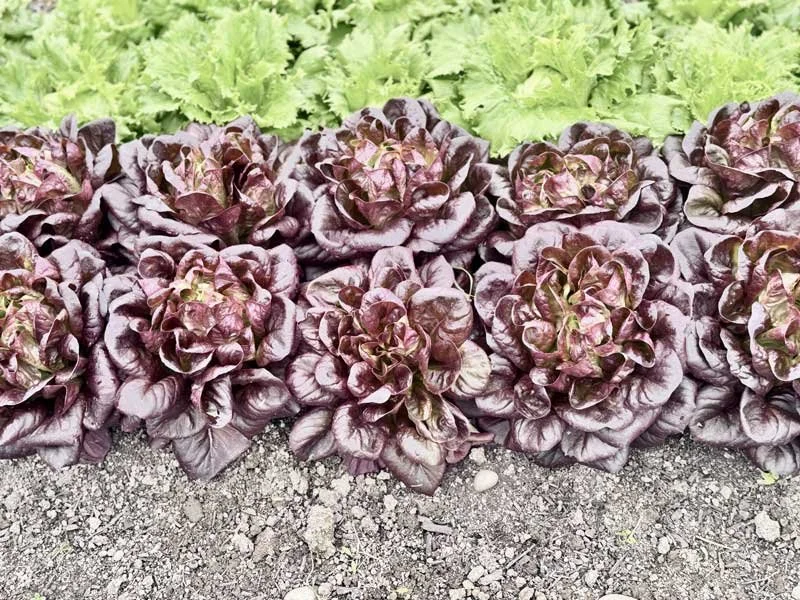
Briony Woodnorth and Trish Hurley with organic produce from One Green Acre, for a day spent sharing practical advice on waste.
Figuring out waste
Plastic is a real problem. It doesn’t go away - it just breaks down into smaller pieces that end up in our soil, water and food. But it’s easier than you might think to cut down how much you throw out.
District Life is kicking off a new series - Figuring out waste - working with locals who are already doing things differently and sharing what actually works.
In the meantime, here are some quick takeaways from the day to get you started:
Avoid, reduce, reuse, recycle - in that order
Recycling helps, but it’s the last step. Cutting down the plastic in your purchases and reusing matters more.
Start with what you buy
Before you buy anything, think about how you’ll dispose of it.
We have low plastic recycling rates. Of the 60kg each of us buys in one year, most ends up in landfill. Plastic is inert in landfill so it's still a better solution than burning it.
Buy local
We grow a lot of great food here. You can order a weekly organic vege box from Carl’s One Green Acre, or buy direct from the growers at the Waimate Community Farmers Market - no plastic wrapping.
Manufacturers respond to buying habits
If people stop buying it, they’ll stop making it.
Packaging choices are often driven by marketing, not necessity. For example, many six-packs of yoghurt use mixed plastics that can’t be recycled - for the “click” sound when consumers split them! Strange but true. Buying a larger tub that uses the right plastic, or making your own avoids that altogether.
Not all plastic is recyclable
In New Zealand, you can only recycle plastics with the numbers 1, 2 or 5 on it.
To remember the numbers Briony suggested this chant: One, two miss a few - high five.
If you can’t find the number, check the neck of the bottle. You can download a magnifying app to your phone to help you find the numbers.
Clean everything before you put it in the recycle bin
It takes a few minutes and saves tonnes of contaminated plastics going to waste each year.
Most recycling stays in New Zealand
Around 60 per cent of locally recycled plastic is processed here into new products like containers, pipes and building materials (mainly plastics 1, 2 and 5). The rest is sent overseas.
[Link to MfE]
Soft plastics have their own system
Plastic packaging that you can scrunch into a ball (bread bags, chip packets, courier bags) can be recycled - but it must be clean and dry. Store it up and drop it off at the Waitaki Resource Recovery Park.
Farm waste is mostly plastic and farm chemicals
On farms, bale wrap and feed sacks make up a big chunk. Programmes like Agrecovery and Plasback are collecting it and are teaming up to make the various producers responsible for its recycling or disposal. A lot of farmers do great work and their waste practices are subject to different audits.
Tyres can be recycled
Most tyres can be dropped off for free. Newer tyres are covered by the Tyrewise levy, while older ones may have a small fee depending on where you take them. Make sure tyres are off the rim before recycling - rims can go too.
Most waste can be diverted
Around 90 per cent of the Helliwells’ waste is reusable and recyclable. They store it and take it to the Waitaki Resource Recovery Park every few months.
Buy second-hand where you can
It cuts waste and demand for new products. It’s often better quality too.
You don’t have to take the packaging
Say no where you can - boxes, extra wrapping, bags.
Project Kea has been approached for comment.