Partnering in agritourism
Your land’s pretty special and you know visitors would love to experience it - but you don’t have the time, skills or inclination to run a tourism venture? There are other options.
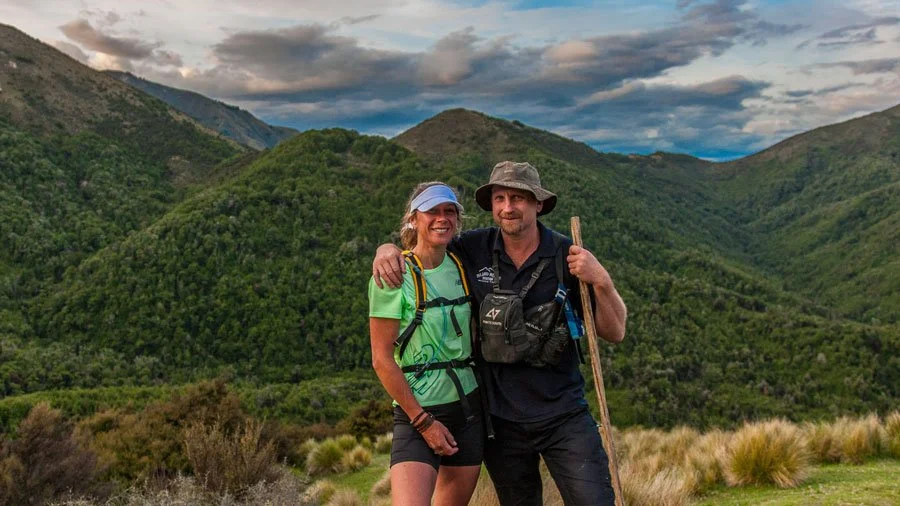
Haley Lloyd and Shaun Monk run the tourism side of Island Hills.
With domestic and international visitors looking for genuine rural experiences, farms can have plenty to offer the tourism market. A hut, an old homestead, a great walking track, hunting, horse riding, spectacular views or an experience visitors simply can't get in town can all create opportunities.
The 15,000-acre mountainous property has been in the Shand family since 1928 and is now farmed by Dan and Mandy Shand (formerly Mandy Sutherland) who grew up in Waimate.
Tourism is run separately by Shaun Monk and his partner Haley Lloyd and their family, who lease the tourism side of Island Hills from the Shands.
It's a model that combines what the property already had - history, landscape, buildings and access to a remarkable piece of the New Zealand backcountry - with people who have the enthusiasm to turn those assets into visitor experiences.
Shaun first met Dan through a mutual friend while hunting on the West Coast.
“It rained the whole time. We basically sat under a blue tarp in the bush with a couple of bottles of whisky.”
A long history of visitors
While the current tourism operation is relatively new, welcoming visitors to Island Hills isn't.
Organised horse treks were being run on the property in the 1950s, while a private walking track first opened in 2003 and reopened in 2020.
Today, Shaun and Haley run multi-day self-guided hiking trips over around 40km of hand-built single track. Visitors can choose two or three-day hiking experiences, travelling between backcountry huts while their luggage is transported for them, leaving them to walk with a day pack.
The huts have hot showers and comfortable bunks, while numbers are deliberately limited. The three-day circuit can accommodate 10 walkers a day during the season from October to mid-March.
There's also a nine-bed farm stay based in the property's original 1877 homestead.
Other experiences include four-wheel-drive farm tours, guided conservation walks, horse riding and hunting. At its busiest, Island Hills has had 43 guests staying on the property at once.
Despite feeling remote, Island Hills is only around an hour and a half from Christchurch International Airport. That sense of isolation is part of the attraction.
“You drive through a pretty gorge and right to the end of a lonely gravel road,” Shaun says.
Connectivity is limited, with radios, scheduled check-ins, weather reports and satellite texting used to keep walkers in contact.
“It's a way to fully shut off,” Shaun says.
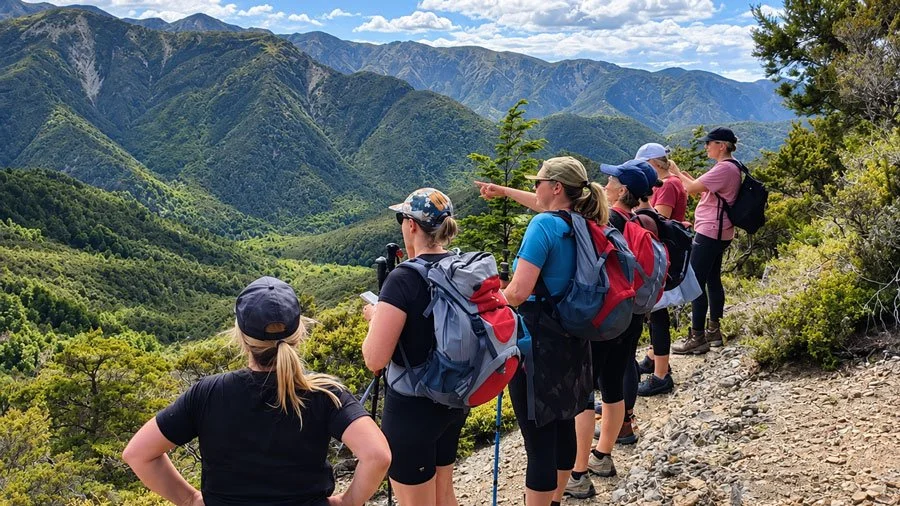
Hikers at Island Hills.
Start with what you love
For farmers looking at their own tourism potential, Shaun's advice isn't to start by dreaming up an elaborate tourism development.
Start with what you've got - and what you enjoy.
“We're avid hikers and backcountry enthusiasts. We love showcasing something we love and enjoy.”
That same thinking could apply to an entirely different experience on another property.
“If you love glamping, maybe you'd like to host one. If it's something you enjoy, maybe it's something you'd like to share.”
Conservation part of the experience
Tourism at Island Hills also sits alongside farming and a substantial conservation programme.
Over time, stock numbers have been reduced to allow native forest and wildlife to regenerate. A 600-hectare QEII Open Space Covenant was gazetted in 1992 and there are now around 3,300 hectares in non-grazing covenants - more than half the farm.
The Island Hills team runs a voluntary conservation project aimed at enhancing native biodiversity, with a long-term ambition of seeing great spotted kiwi return further east into Canterbury.
Trapping and monitoring equipment is funded through sponsorship and events, and visitors can contribute by donating a trap.
The annual Skedaddle trail run, named after the property's highest point, 1704m Mt Skedaddle, also helps support the conservation programme. The next event is scheduled for April 24, 2027.
It's another example of how tourism can become part of the wider farm business rather than having to sit separately from everything happening on the land.
Island Hills now generates income from a beef breeding herd, honey bees, carbon credits and tourism.
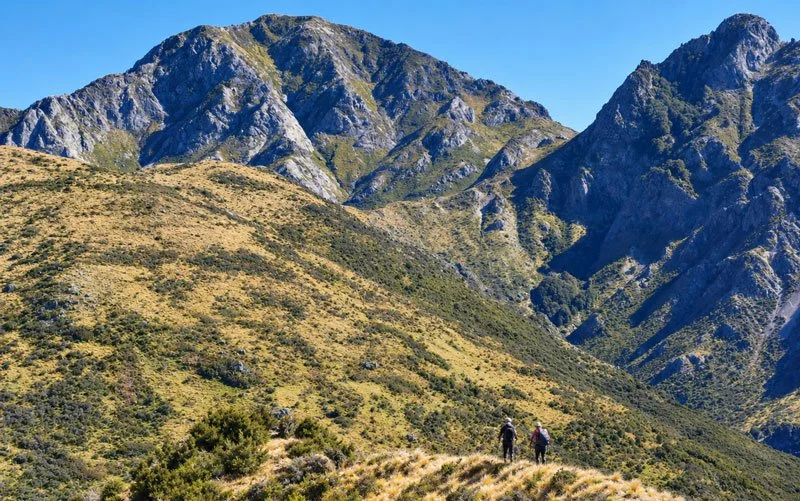
Hiking on Island Hills Station.
Learning from others
Shaun encourages anyone considering agritourism to talk to people already doing it.
Working with existing tourism operators can also be part of the equation rather than every rural tourism business operating in isolation.
Agritourism NZ has become an industry advocacy and support network for farm tourism businesses, offering marketing support, an Agritourism Academy, regional networks and opportunities for operators to share ideas and experiences.
“It's a great way to learn and test theories,” Shaun says.
Shaun also suggests talking to councils and regional tourism organisations to find out what support is available.
Don’t forget the practical stuff
Insurance is an area where Shaun says operators need to understand exactly what is - and isn't - covered.
GSI South has developed specialist AgritourismCover+ to cover the particular risks involved when tourism activities are operating alongside farming.
For Island Hills, those activities can include visitors hiking, bringing horses onto the property and hunting.
“With insurance in the past we had some bits that we knew probably weren't insured,” Shaun says.
Having specialist agritourism cover provides greater confidence that the different activities taking place on the property are covered.
Turning a farm into somewhere visitors pay to experience also brings considerations that aren't necessarily covered by the usual farm business.
“You've got to factor in what's happening on a working farm,” Shaun says.
Hosting is another consideration. A tourism business can get busy and guests want to interact with the people behind the experience.
“People love to chat. You've got to give a bit of yourself away.”
For farmers considering whether tourism could form part of their own diversification, Shaun's message is not that every farm needs a glamping pod, walking track or visitor accommodation. It's to look at what's already there.
And if the farm has something worth sharing but becoming a tourism operator isn't for you, there are still options.