Rural high school myth busting
1 January 2026

Pictured: Students celebrate success after the 2025 senior prizegiving.
If there’s one idea outgoing Principal Jo Hunnikin will happily dismantle, it’s that small rural schools mean limited opportunities.
At Waimate High School (WHS), smaller numbers often translate into more opportunities to step up and get involved. Add to that a school culture built on the belief that if students can, then they should, and it soon becomes clear that students here aren’t missing out on anything.
We decided to put some of the most common (and outdated) assumptions to the test.
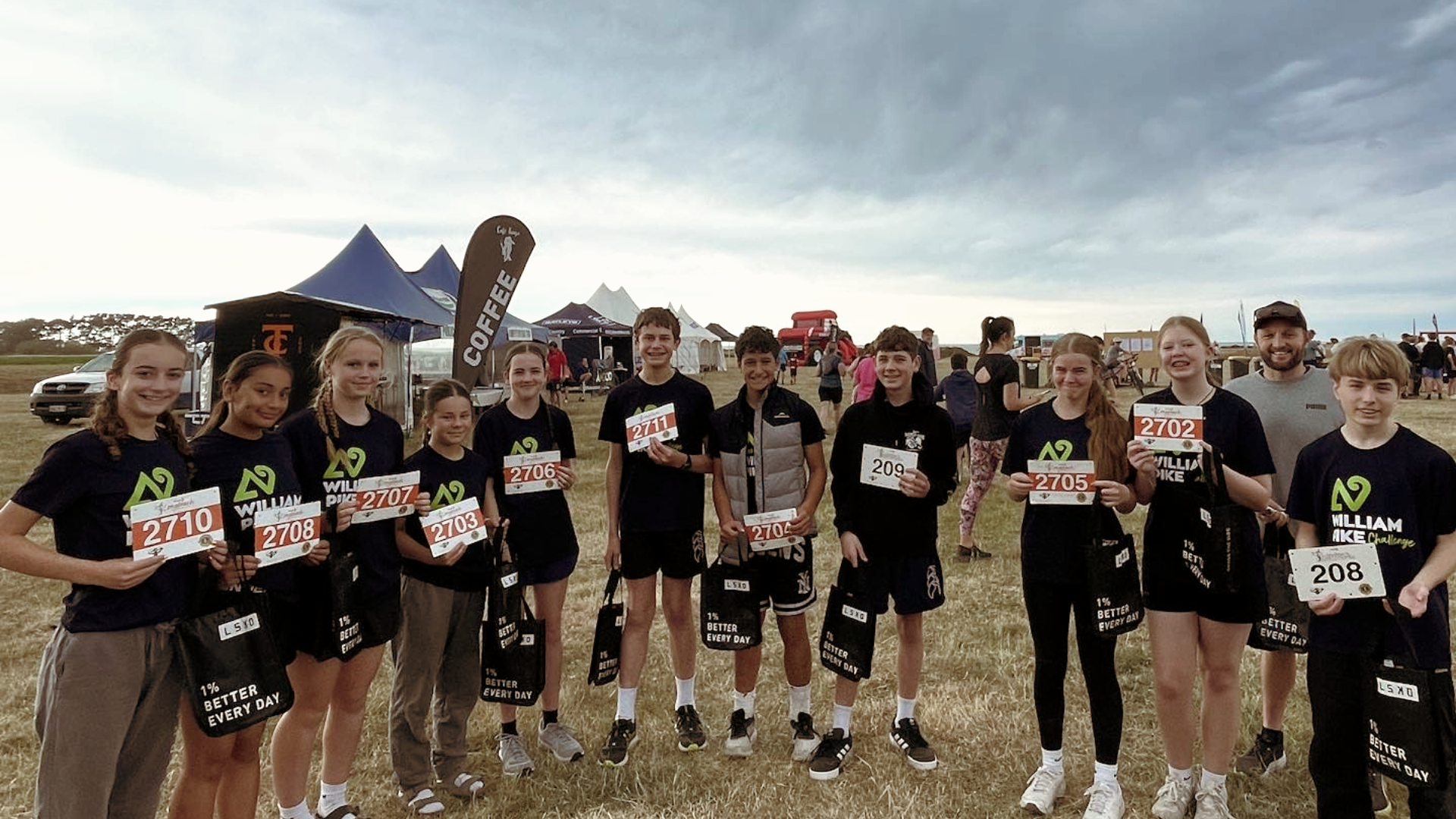
Pictured: Waimate High School students who completed the Longbeach Coastal Challenge in December. This was part of their William Pike Challenge journey, an outdoor and personal growth programme offered at WHS.
1. There’s a lack of opportunity at small schools:
Not this school, in fact there’s even an Waimate High School Opportunities Project.
It supports initiatives that,
increase student retention
provide opportunities
strengthen community engagement.
The school can apply to the project for financial support where those objectives are met, helping remove barriers for students to take part.
Growing future farmers and rural leaders
The AgHub sits squarely within that approach, it’s the school’s agriculture and primary-sector learning hub.
Open to all year levels, it’s a popular hands-on option, especially in Years 9 and 10, with around 40 percent of students enrolled.
Students can earn up to 40 NCEA Level 2 credits, and the programme is helping keep students engaged for longer, with plans to expand into paddock-to-plate production.
Opening doors through scholarships
Waimate High School is the only school in the country to offer the Norman Kirk Scholarship and distributes well over $100,000 in locally funded scholarships each year! For a school of its size that’s significant - and another reminder that small doesn’t mean limited.
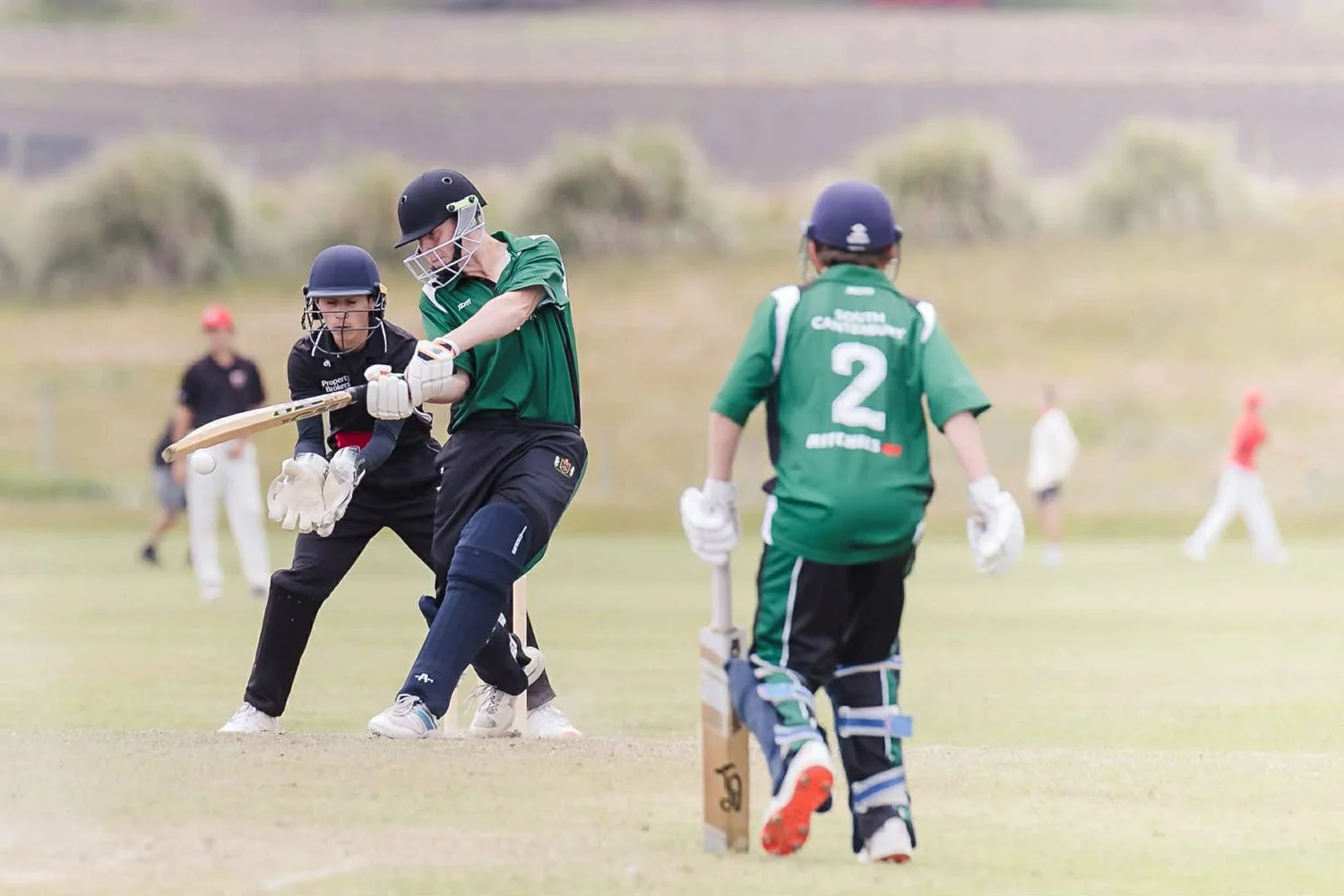
Pictured: Fergus Robertson representing South Canterbury in cricket. Photo by Sideline Studio.
2. There are better sporting opportunities at bigger schools:
That assumption doesn’t stack up at WHS. When it comes to sport, the approach is simple: if students want to give something a go, the school will support them to do it.
As Jo puts it, “If they can, then they should”.
When numbers are tight, Waimate students combine with other schools or play for neighbouring teams. Far from limiting opportunities, it often means more game time and a clearer pathway to higher-level competition. The results speak for themselves.
The school consistently produces representative players in sports including cricket, basketball, swimming, athletics and netball.
Both the senior and junior girls’ basketball teams won their respective Aoraki competitions. The senior team then went on to place third in New Zealand at the Secondary Schools A National Basketball Championship!
Two students were selected for the NZ Storm basketball team last year, with three more selected for next year.
Another student is currently part of the NZ Warriors under-18 development programme.
All of that is a big deal for any school, let alone one with a role currently around 300 students.
Facilities continue to improve, including the addition of a new hockey turf for training. Much of the success, though, comes down to people, including whānau and staff who step in to coach, manage teams and help with transport, driven by a shared commitment to giving students the best chance to succeed.
The arts are a strong focus as well, with high-quality school productions staged each year. Support from the Opportunities Project has helped fund elements such as professional lighting, lifting what’s possible on stage.
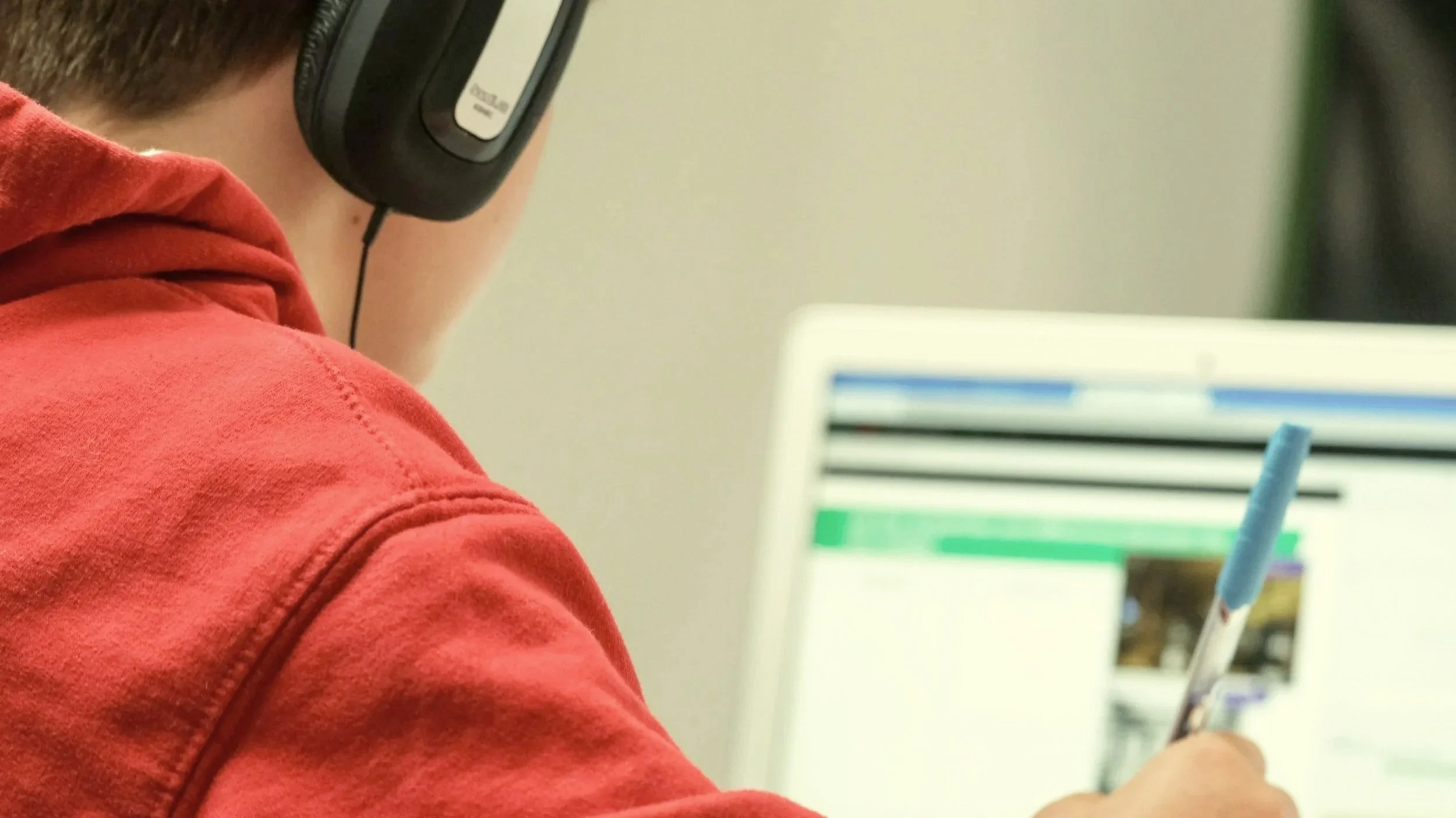
Pictured: NetNZ operates as a collective of schools who together enable collaborative, high quality online education.
3. Small schools don’t offer the right range of subjects:
Waimate High are part of the NetNZ teaching network that offers a broad range of subjects. Alongside traditional subjects like physics and geography students can access specialist ones like psychology and criminology.
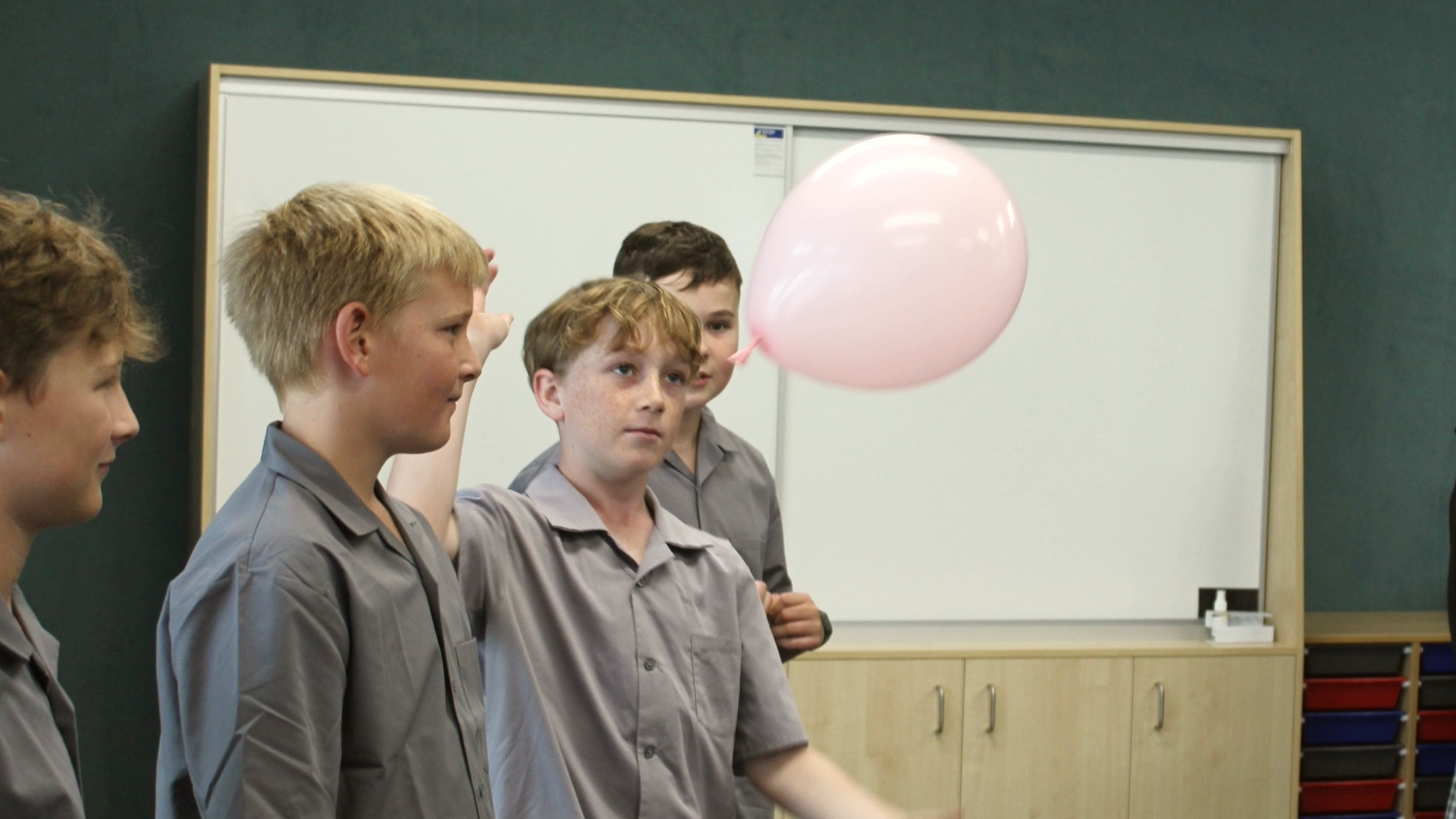
Pictured: Year 7 students start the school year by getting to know each other, staff and the school.
4. Small class sizes come with a private school price tag:
At Waimate High School, small class sizes are simply part of how the school operates. Recently, an additional Year 7-8 class was added, meaning most classes now sit at fewer than 20 students.
That allows teachers to know their students well, tailor learning where needed, and step in early if someone starts to slip. It supports the high expectations the school sets.
The school’s Facebook page is worth following. From academic milestones to sporting and cultural achievements, student success is noticed, shared and celebrated.