Turn your clutter into cash, not landfill
Waimate has firmly established itself as a second-hand shopping destination.
Over the past few years the number of stores has multiplied.
There are different types here - steampunk, vintage, charity shops, second-hand traders.
What was once seen as niche shopping has become a significant industry. New Zealand’s second-hand market is now estimated to be worth $5.5 billion, with stores helping reduce landfill, strengthen local economic resilience and attract visitors to small towns.
Most of us know how to shop in them but how can we interact with the local stores to keep our clutter out of landfill?
It’s easier, and more profitable in some cases, than you might think. Did you know there are comic books out there worth $100,000? And that almost everything has a collector, a buyer, a home or a purpose?
In this story - the first in our Figuring out Waste series - we look at three Waimate stores that will purchase the stuff you no longer need.
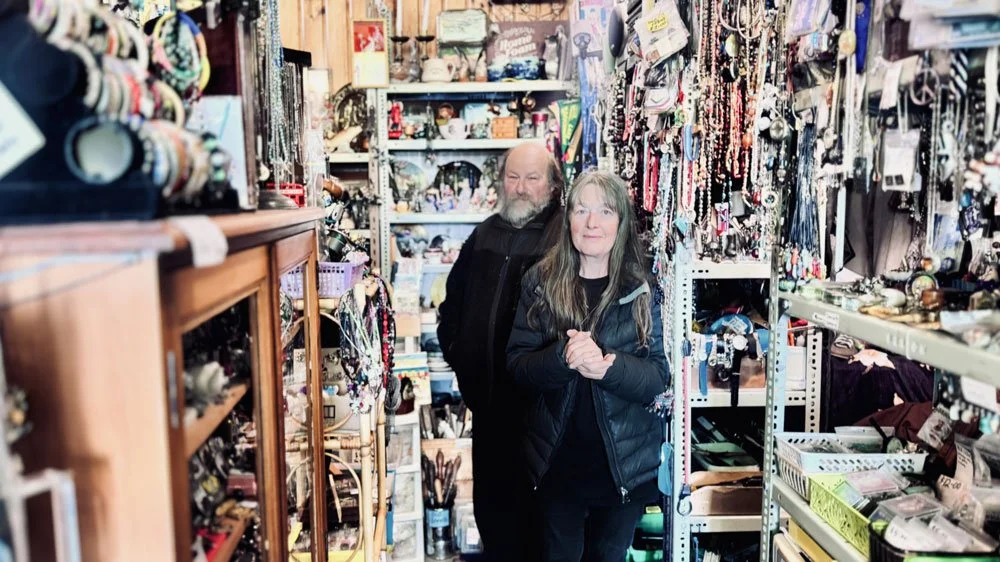
Cool Junk and Collectables
Address: 28 Queen Street, Waimate
Edward and Elaine are registered second-hand dealers who have been in the business for around 42 years, including 37 years in Waimate.
They’ve always loved preloved items and started out collecting, buying and selling for themselves - something they still do today.
They purchase to on-sell and accept donations
If you have something you want taken off your hands bring in a photo or ask them to come and take a look.
Registered second-hand dealers must sight photo ID before they purchase anything.
What you’ll find in-store
The store focuses mainly on smaller collectables, but they can find a buyer for almost anything through their large network of contacts, built up over years in the trade.
They’ve also developed a good eye for valuable items that might otherwise get thrown away.
“There are comics out there worth $100,000. We haven’t found one of those yet, but we have found some worth $1,000,” Edward says.
“If people don’t realise what they are, things like that can easily end up dumped.”
Message to the community
“Don’t throw anything away until you find out if it has use or value,” Edward says.
“We can assess it for you. Almost everything has a collector, a buyer, a home or a purpose.”
They encourage people not to order skips for house lots until someone has assessed what’s there first.
“You can save money on the cost of a skip, make money and keep things out of landfill. Lots of stuff is recyclable or reusable.”
Elaine says people are often surprised by what others collect, repair or reuse.
“It’s incredible what some people will buy, sell and collect.” she says.
“Even broken things. Some people enjoy fixing things up and bringing them back to life. A coat of paint can make a huge difference.”
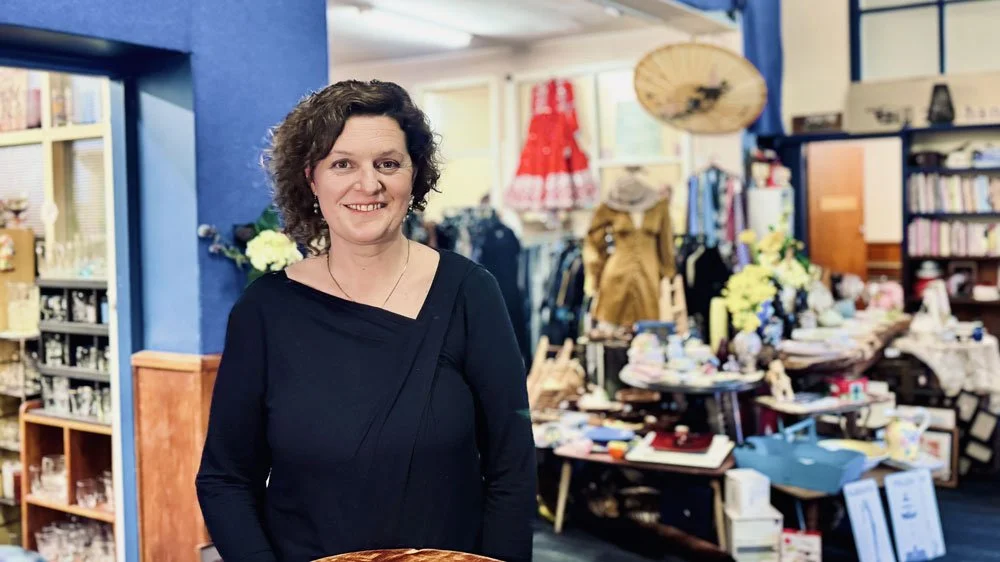
Bits and the Bob
Address: 68 Queen Street, Waimate
Sarah started out with half a shed of second-hand goods at home, trading as the Old School Country Store, opening on weekends.
The business quickly outgrew the shed. Then came more sheds, another premises, and now its third - and biggest - location yet.
“It’s like a bug once you get into it,” she laughs.
“The thrill of finding stuff and helping people find stuff.”
The store regularly attracts visitors from outside Waimate, including weekend shoppers and ‘girls trips’ from Dunedin to Christchurch.
Sarah purchases goods and accepts donations.
Sarah buys around 90 per cent of stock and receives about 10 per cent through donations, which helps keep prices low despite rising costs like fuel.
She can also purchase complete house lots (deceased estates, downsizing and retirement moves) conveniently taking everything away. She then sells and recycles as much as she can. A much better option than hiring skips to fill and dump.
What you’ll find in-store
Room, after room, after room of second hand goods. Take your time wandering this massive store.
She focuses on practical second-hand goods, with plenty of tools, clothing and household items passing through the doors.
If you’re renovating a character home it’s likely they have the hardware and fittings you’re looking for - that are no longer made.
Plenty of people come in the weekend to browse the tool selection and get their jobs done.
She sells a lot of books - even more since they were arranged in alphabetical order. There are vinyl records, DVDs, CDs and videos - all of which still sell well.
A lot of customers are setting up homes, flats or starting again from scratch.
Message to the community
“If you’re looking for something, we’ve probably got it.”
One customer had been searching everywhere for a jewellery box with a working spinning ballerina inside.
“We had one.”
Another person was looking for old-school colanders.
“We had two.”
“People come in asking for something, and if we don’t have it, I can almost guarantee it’ll appear the next day,” Sarah laughs. “I’m not sure how that works but it seems to happen”.
Older goods are often better quality than newer replacements, Sarah says, and many things people struggle to find in retail stores still exist second-hand.
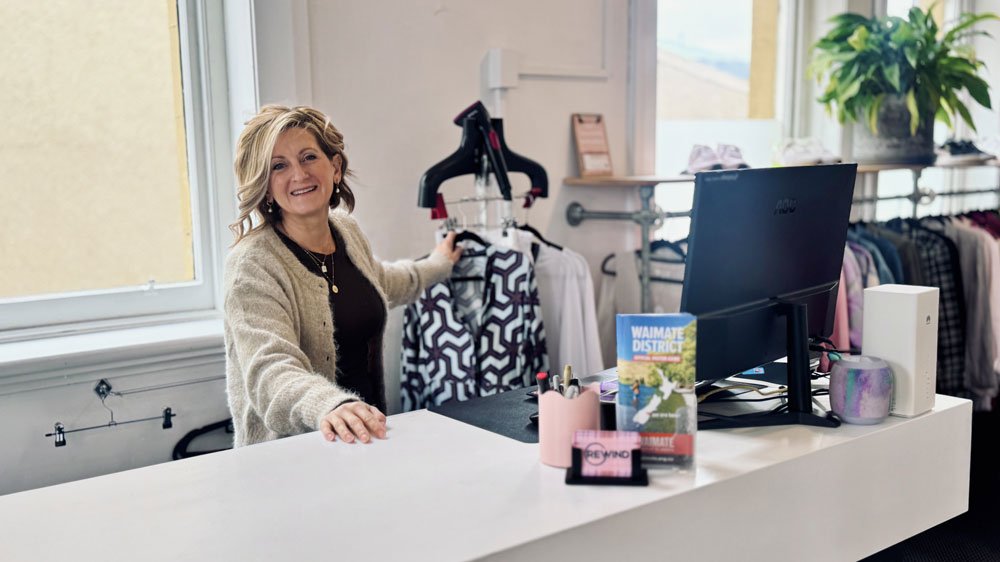
Rewind
Address: 75 Queen Street.
Rewind stocks preloved fashion. According to owner Steph, it exists to help people refresh their wardrobes affordably while keeping quality clothing in circulation.
She encourages people to take another look at what’s already sitting in their wardrobes before buying new.
“Pass on quality clothes someone else could still be using.”
Rewind sells clothing and accessories on consignment
Most of the store operates on consignment, with Rewind accepting good-quality clothing, shoes, bags and accessories. to sell on behalf.
Natural fabrics are especially popular, with linen one of the biggest sellers.
“We sell a lot of linen - anything made of linen.”
Steph says the store tends to avoid polyester and focuses more on quality fabrics and timeless pieces.
Message to the community
Working as a buyer for a large fashion retailer put Steph off mass consumption and the idea that people constantly need to buy new clothes.
Now, much of her own home and wardrobe is made up of second-hand finds.
For Steph, second-hand shopping is about extending the life of quality items rather than letting them sit unused or end up in landfill.
And her advice?
“Don’t save the good stuff for a special occasion - wear that dress to the Saturday market!”
Coming next…
We’re been talking to the fabulous people behind the local charity stores, who save stuff going to landfill and support the community with the profits. Stay tuned to find out what they accept, their thoughts on fast fashion and who they’re seeing in their stores.