When alpacas become an agritourism business
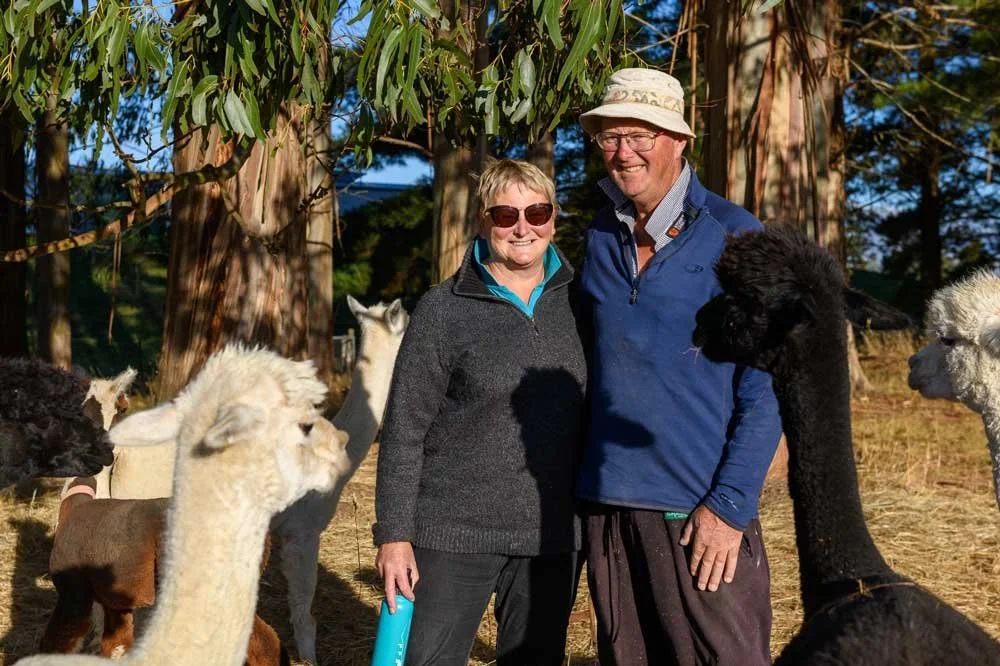
When Jessie and Ray Haanen bought their lifestyle block near Manapouri, alpaca farming was not part of the plan.
They had sheep and, about 20 years ago, bought four wether alpacas as pets.
They fell in love with them almost instantly.
“Within six weeks we said, let’s get more serious.”
The sheep went, and today Kepler Mountain View Alpacas runs up to 185 alpacas.
Natural fibre
Jessie began making products from their alpaca fibre and selling them. They sold so well that eventually she gave up her day job to concentrate on the business.
Jessie says there has been a noticeable increase in interest in natural fibres and in knowing where products come from.
“I tell people that buying good alpaca products should be seen as an investment. You’re buying something that will last for years.”
Alpaca fibre is the second strongest in the world, after silk. And unlike synthetic fibres, it doesn't shed microplastics.
From farming to tourism
People began turning up at the farm while Jessie was working in her studio, wanting to see the alpacas, so they thought they should formalise it.
They employed someone part-time to help manage the farm, feed stock and take visitors on tours.
“It kind of happened organically.”
The Haanens were already running accommodation on the property, so farm tours became another arm of a business that continued to grow.
Then, three internationally renowned coloured alpaca stud herds became available and Jessie and Ray bought them. Ray left his full-time work and turned his attention to the stud operation.
Today they also export stud alpacas internationally. The animals fly on specially arranged Singapore Airlines transport and can reach Europe in around 36 hours.
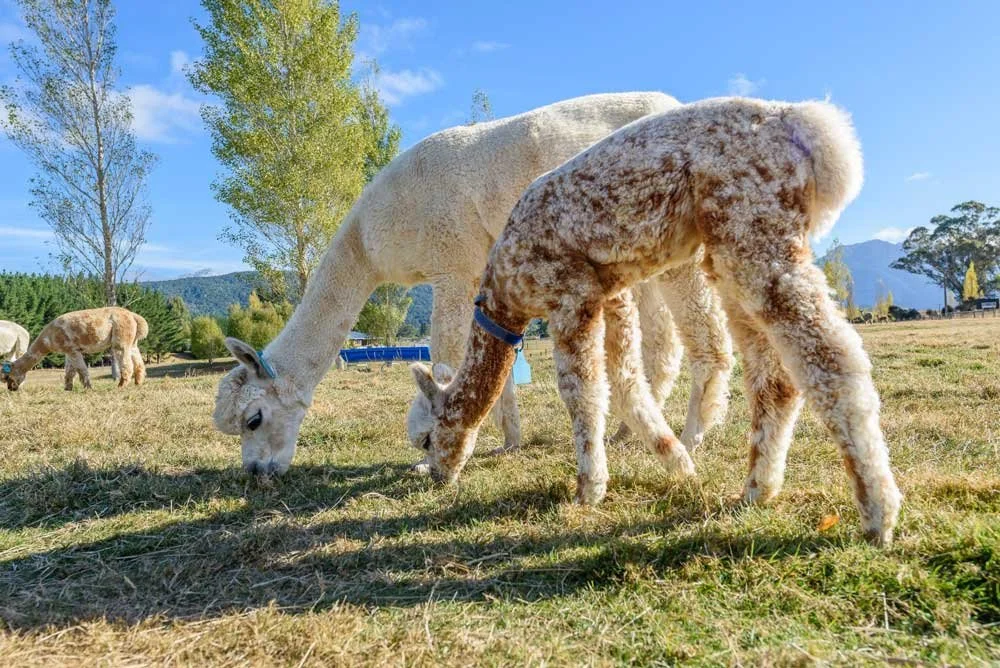
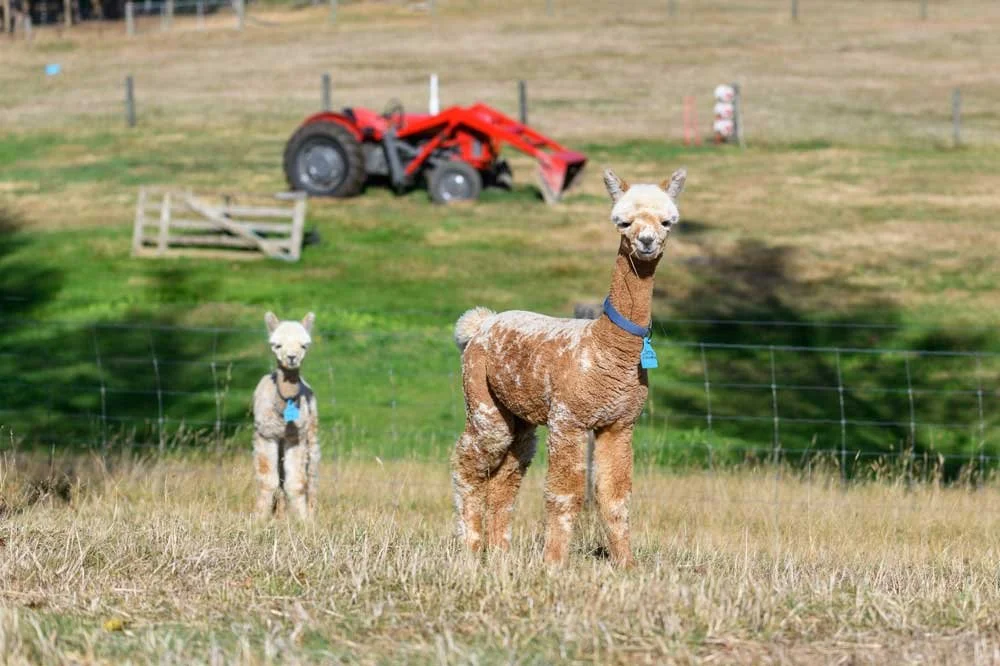
Among their stock are rare leopard appaloosa alpacas (pictured below), distinguished by spots across their bodies.
What started with four pets has become a business encompassing farming, breeding and exporting, accommodation, fibre products, retail and agritourism.
A working farm, not a petting zoo
Visitors come from throughout New Zealand and around the world.
Jessie enjoys hosting Kiwi farmers.
“Alpaca farming is so different. Quite often Dad has to be convinced to tag along, but he’s often the last one out of the paddock.”
They also host plenty of Europeans, Australians, Americans and Canadians, and Jessie says the Indian market is new and growing, possibly helped by an interest in natural fibres.
Tours cater predominantly for independent travellers and small groups because the experience also has to work for the alpacas.
Jessie says keeping groups small and making sure the animals aren't overwhelmed is an important part of how they operate.
The Haanens haven't created an artificial tourism experience around the farm - visitors experience the farm as it is.
“It’s not a petting zoo. It’s a working farm.”
Depending on what is happening that day, visitors might help feed alpacas, get up close to the animals, or see some of the day-to-day work involved in running the farm.
They visit the shed where shearing takes place and fibre is skirted and sorted, before moving through to the Wild Wool Gallery to see finished products.
It means visitors can follow the process from the alpacas standing in the paddock right through to the finished product on the shelf.
Make sure your insurance actually covers what you do
One of Jessie and Ray’s biggest pieces of advice for farmers considering agritourism is - get the right insurance.
For years, they had struggled to explain their business to insurers.
A combination of farming, accommodation and then visitor tours.
“We’d been ringing insurers and trying to explain what we did, but they just didn’t get it.”
That changed when they met Sean Lysaght from GSI South through a workshop run by the Agritourism New Zealand network.
GSI South offers AgritourismCover+, New Zealand’s first and only specialist agritourism insurance product, designed to cover both the farming and commercial tourism.
“We thought, great - someone that finally understands agritourism.”
He visited their property and took the time to understand how all the different parts of the business worked, allowing them to put appropriate cover in place across both the farming and tourism sides of the operation.
It’s an important lesson for anyone thinking about inviting paying visitors onto a working farm: don't assume your existing farm insurance automatically covers your new activity.
Start with what you're already doing
Jessie’s advice to other farmers considering agritourism is straightforward.
“We started small and learnt as we went. Do your research.”
Most importantly, she says, look at what is already happening on your farm.
“Everything we do is related to what’s happening on the farm.”
Rather than inventing an elaborate tourism experience, think about how you could share some of what you already do.
That echoes something Marijke Dunselman from Agritourism New Zealand told District Life when we spoke to her earlier in this series.
Travellers are increasingly looking for genuine rural New Zealand experiences - and what seems completely ordinary to someone who does it every day can be fascinating to somebody else.
That doesn't just mean overseas tourists.
As Jessie has discovered, sometimes the person most fascinated by a different farming operation is another farmer.
So take another look at your everyday working life.
Feeding stock. Working dogs. Shearing. Milking. Harvest. Moving animals. Growing food. Checking crops. Working in the shed.
You don't necessarily need to dream up a tourism attraction. You may already have one.